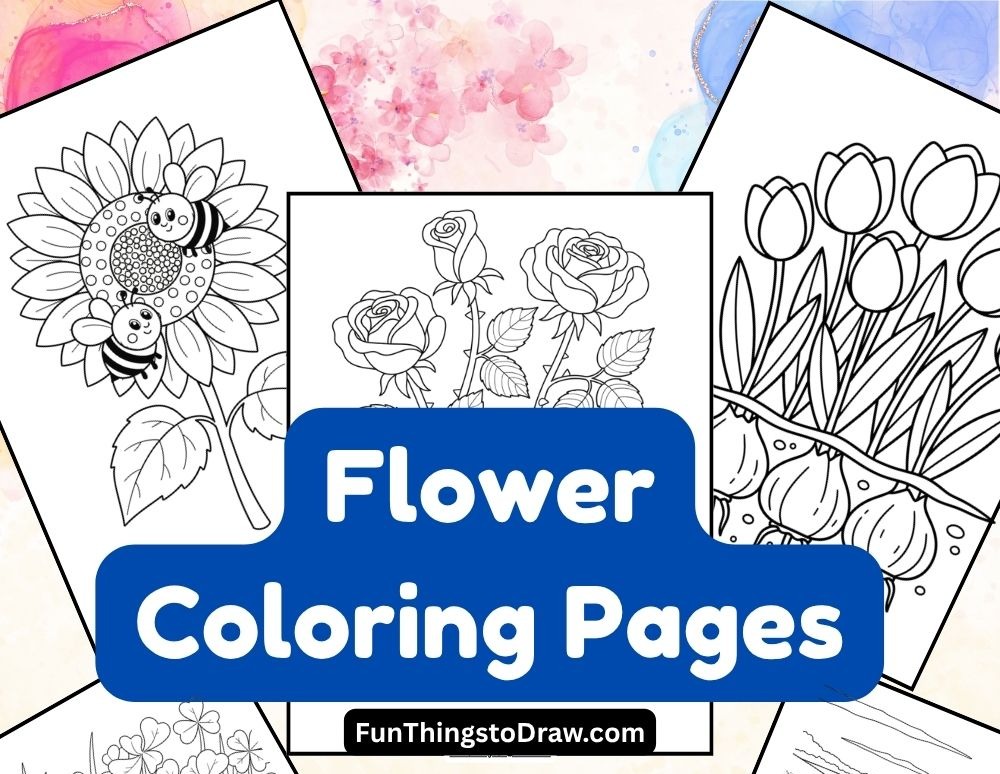
Flower Coloring Pages (65 Coloring Sheets)
The 65 flower coloring pages is a blend of beauty of nature. These pages have been thoughtfully designed to inspire creativity in both children and adults. This collection goes beyond simple outlines, each page tells a story and offers a chance to learn while you color.
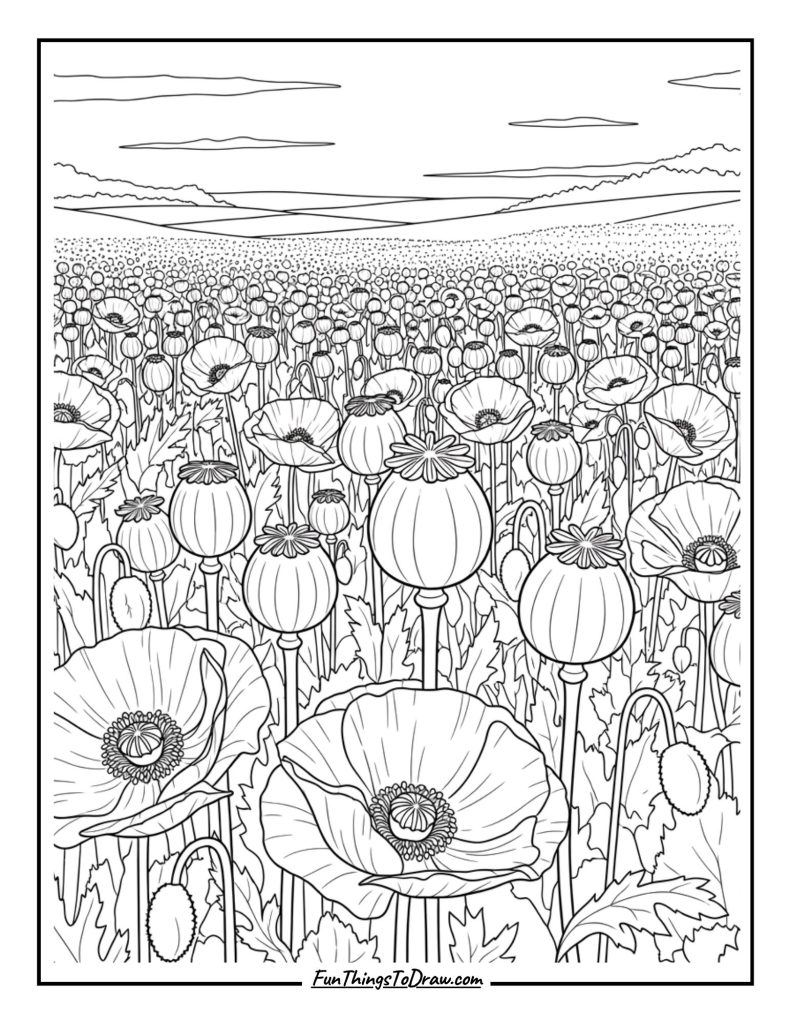
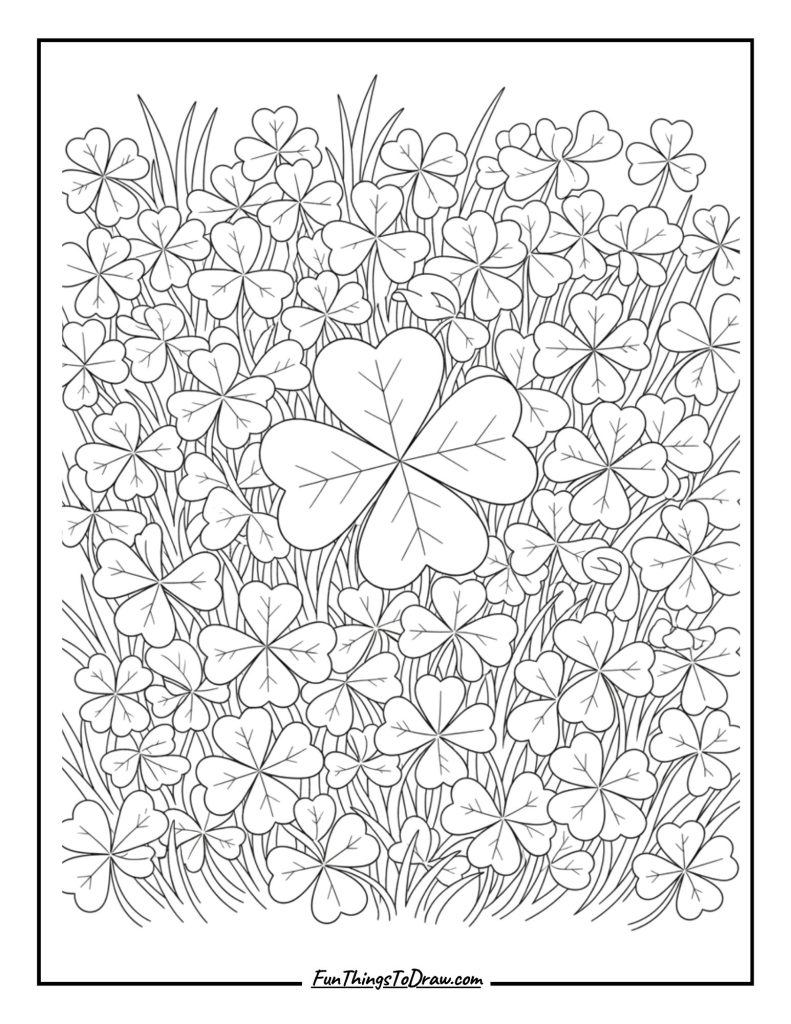
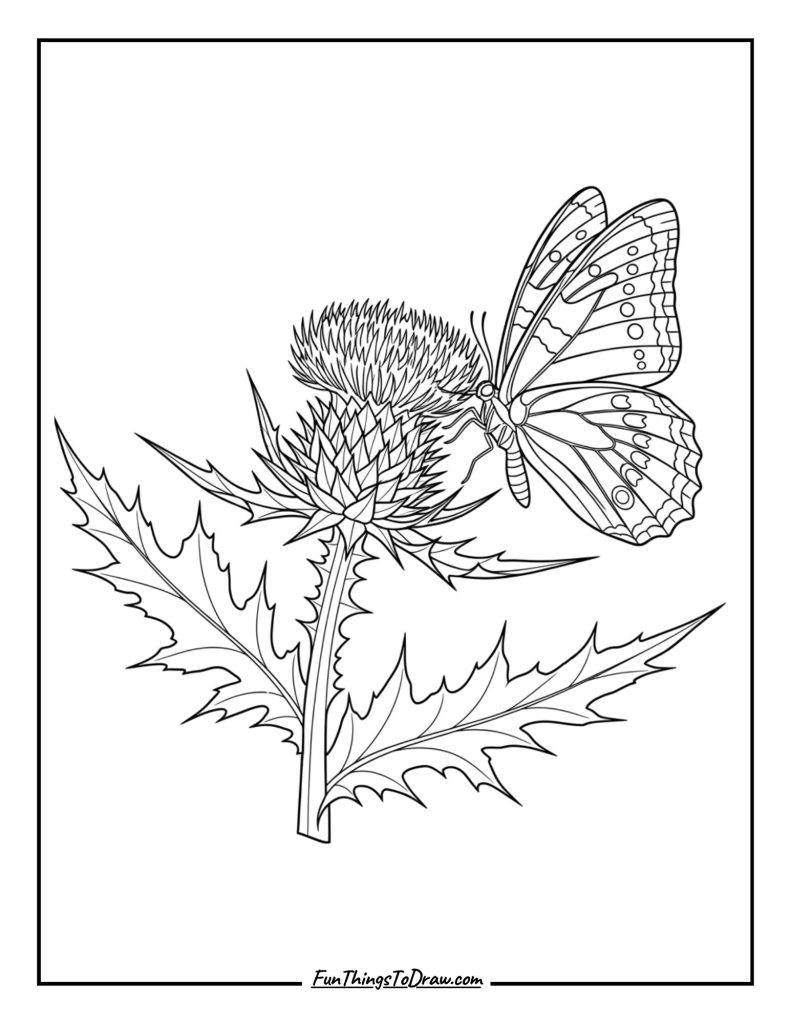
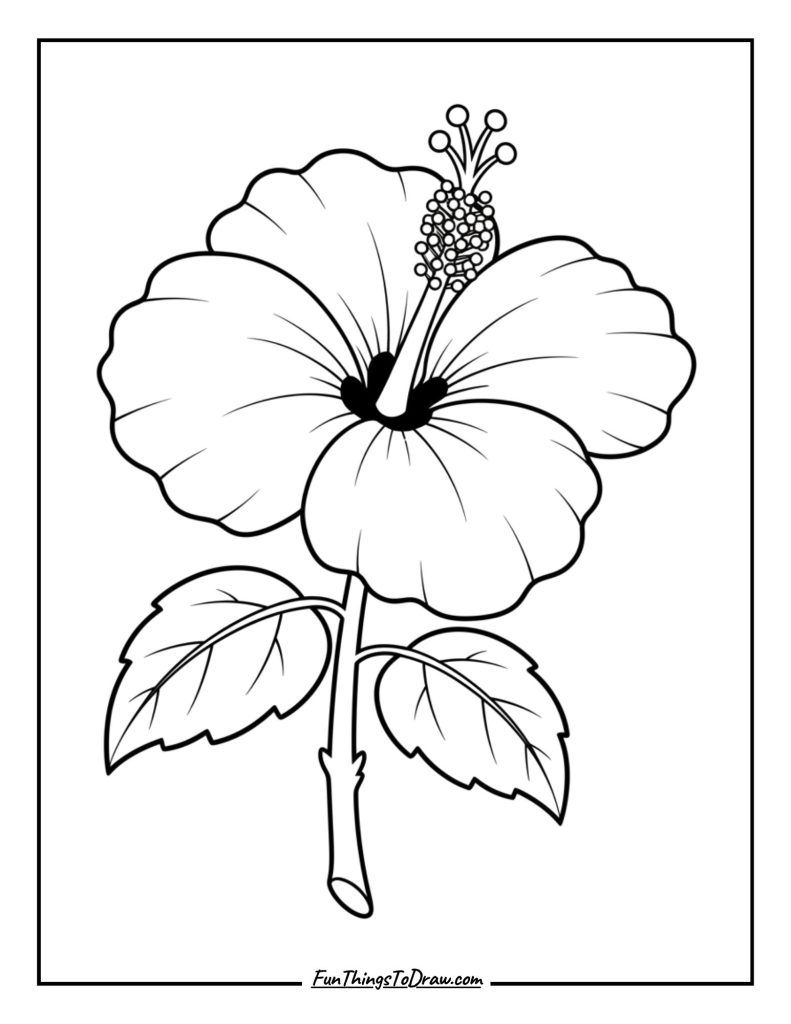
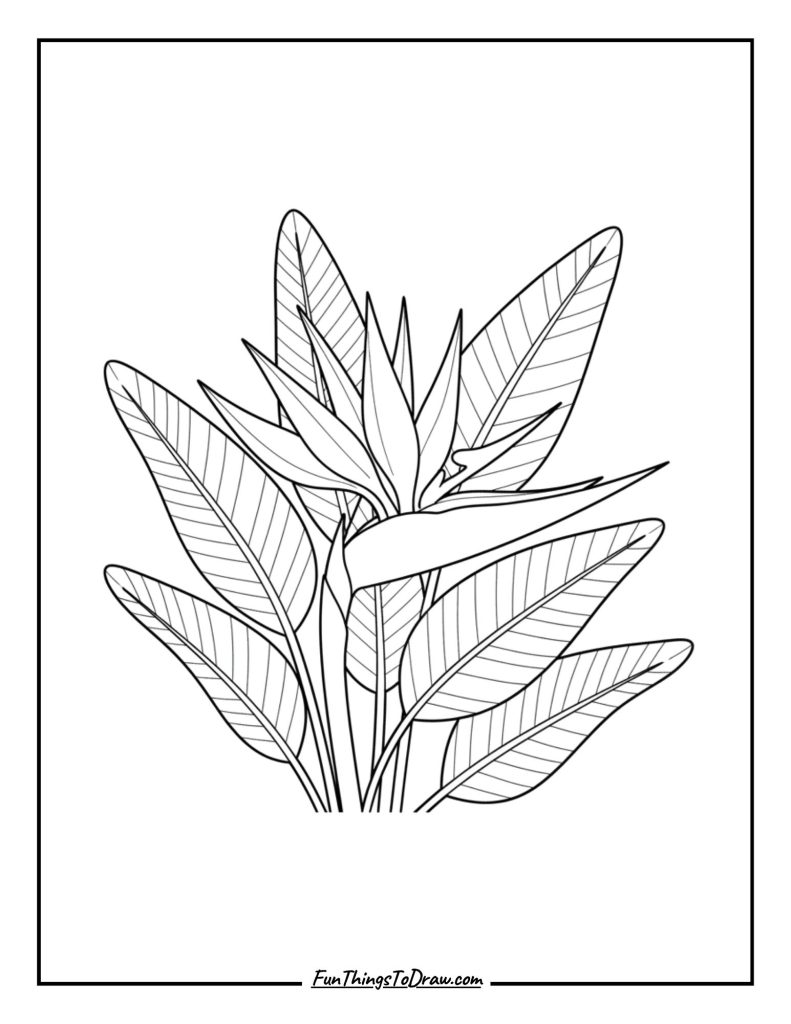
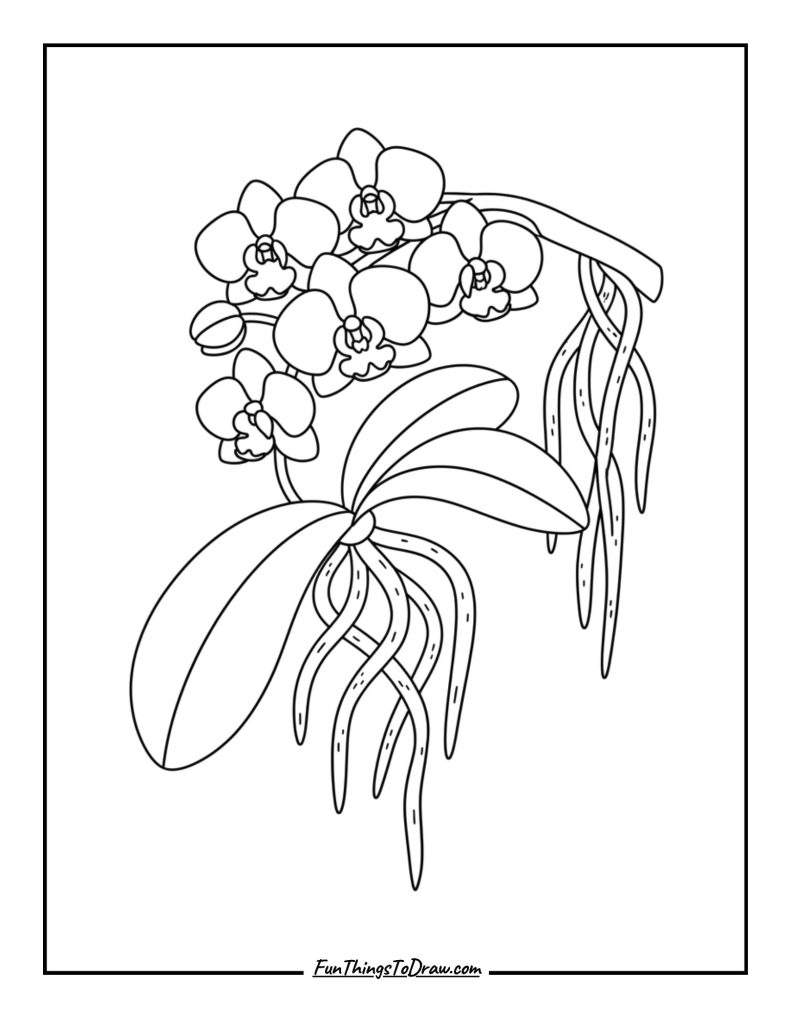
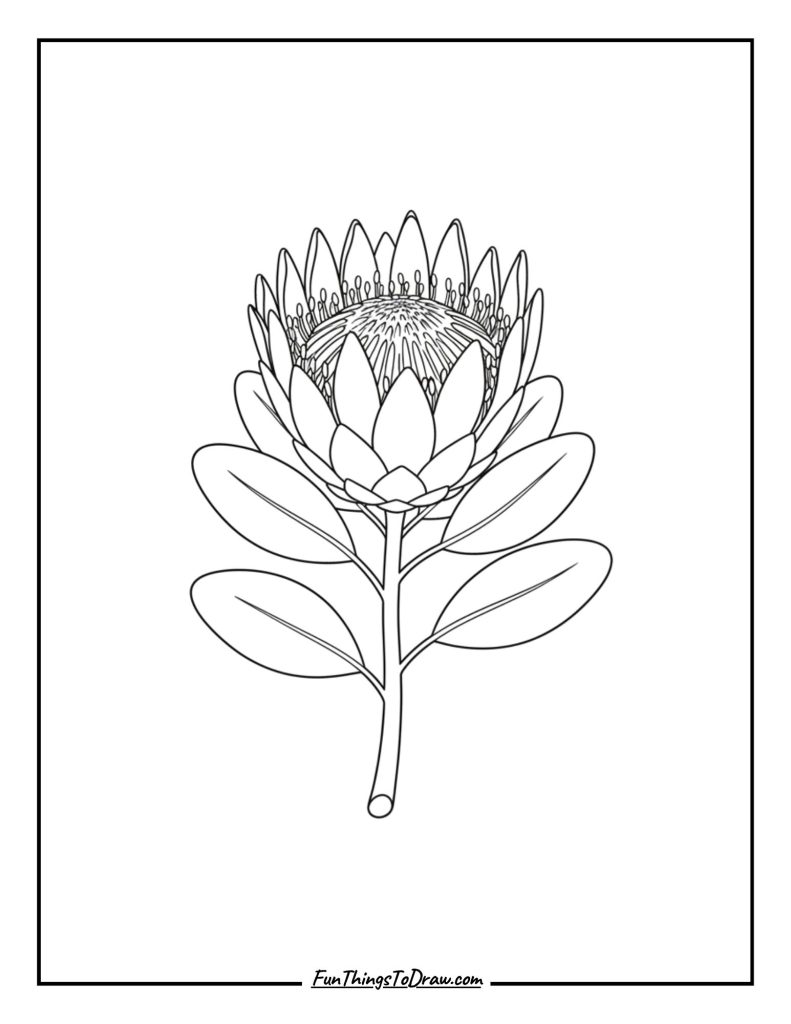
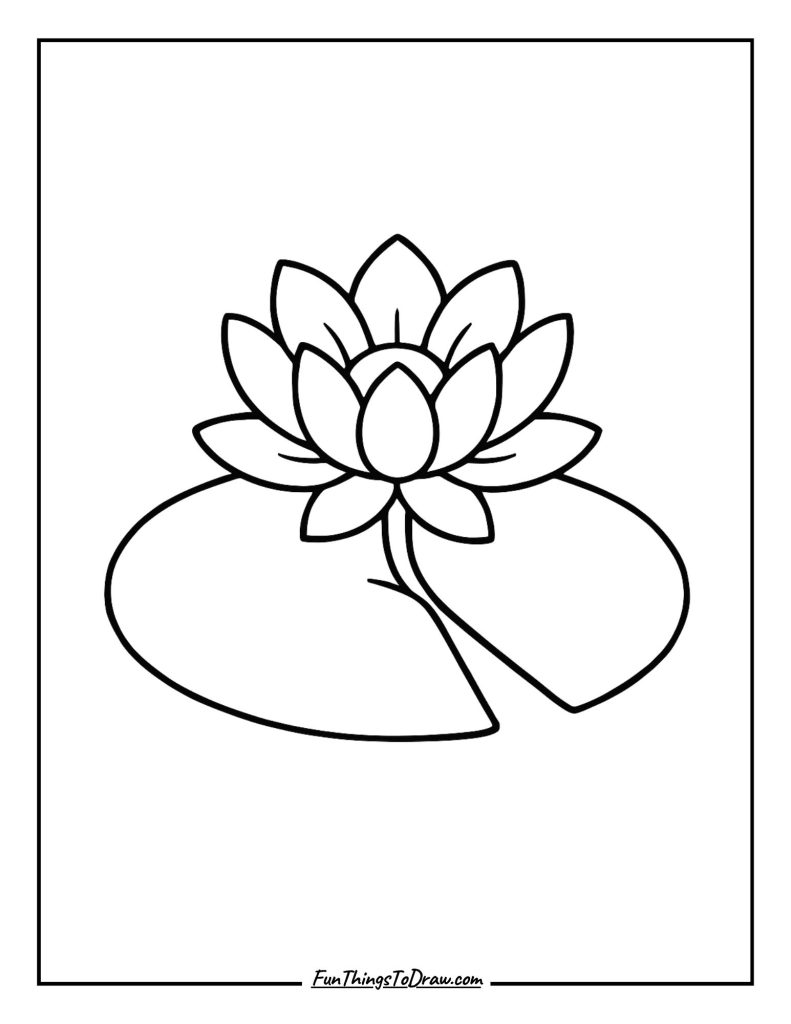
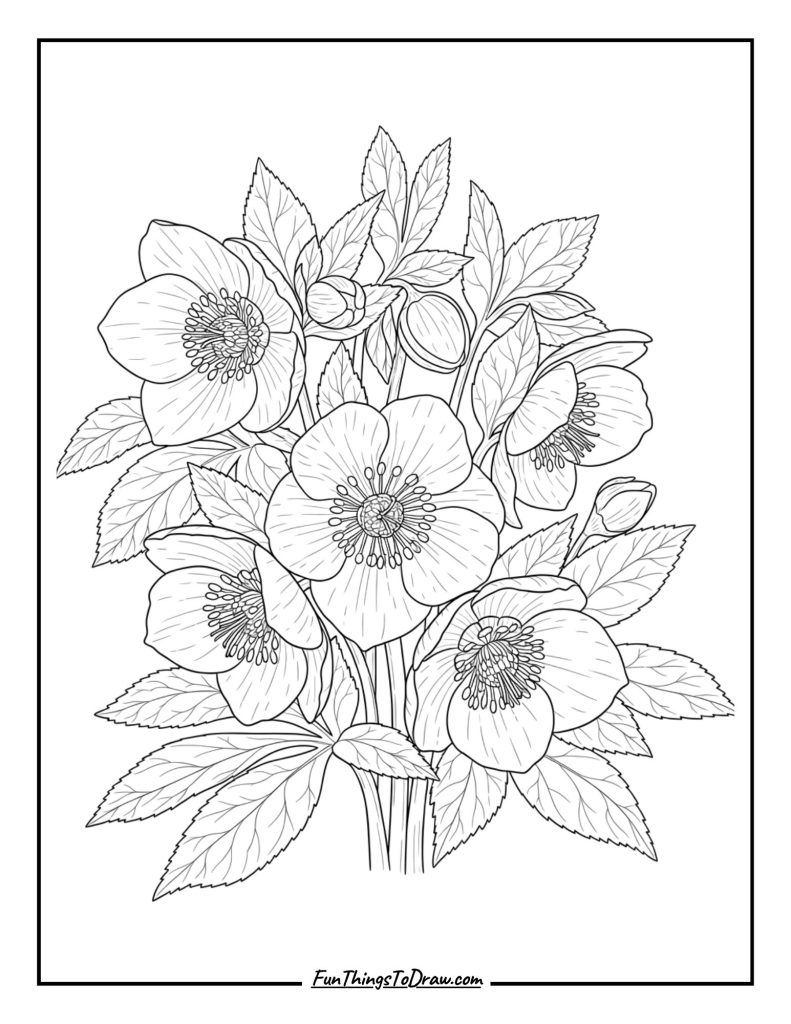
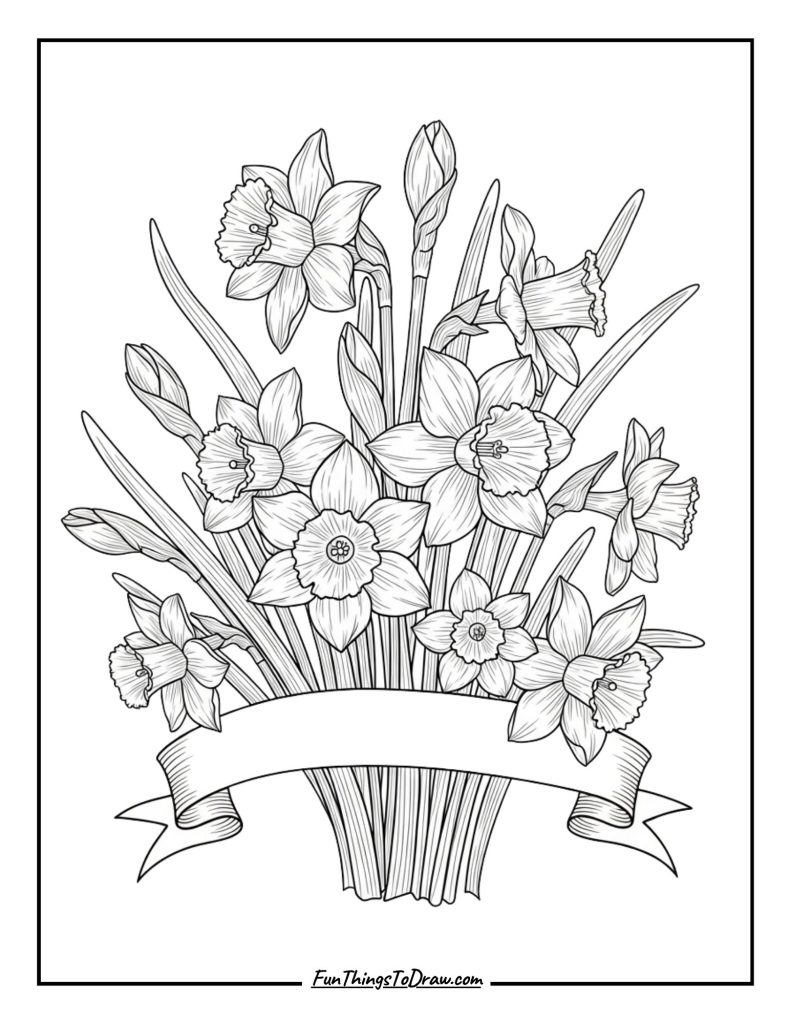
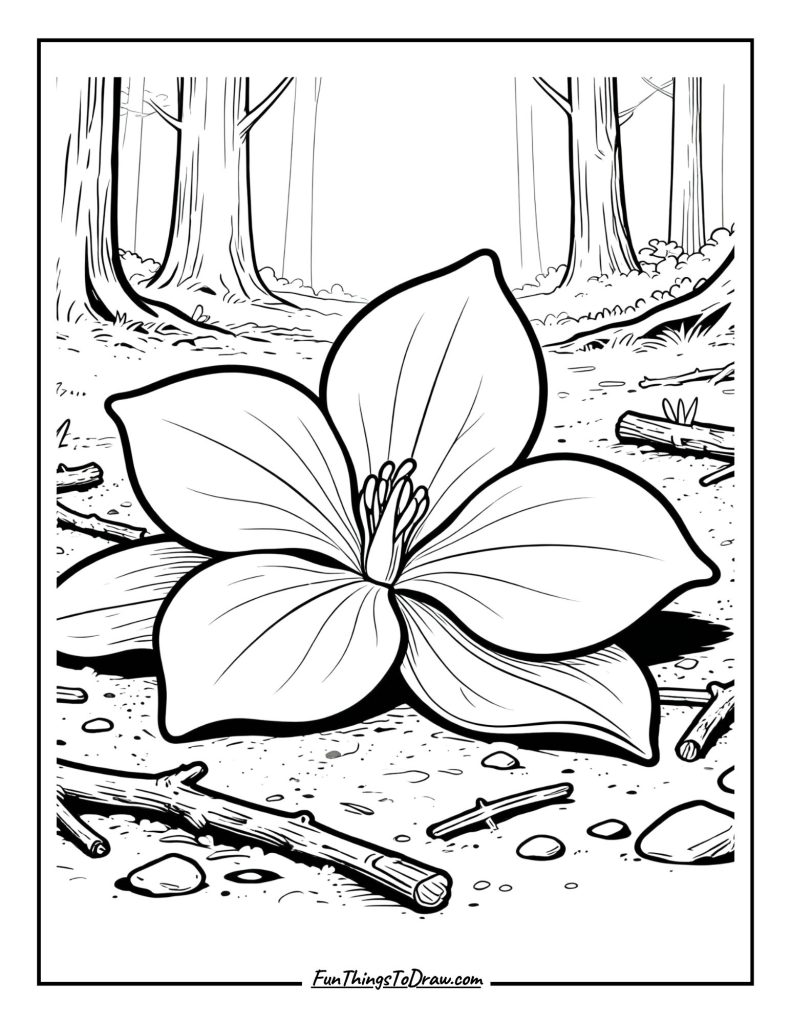
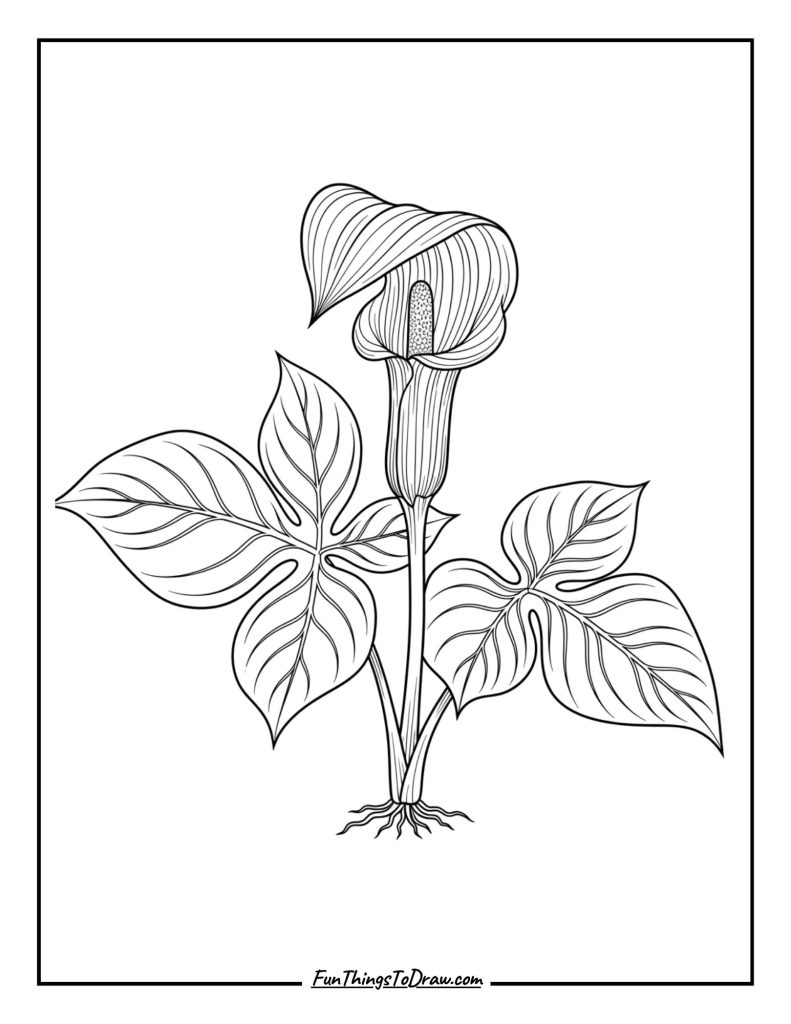
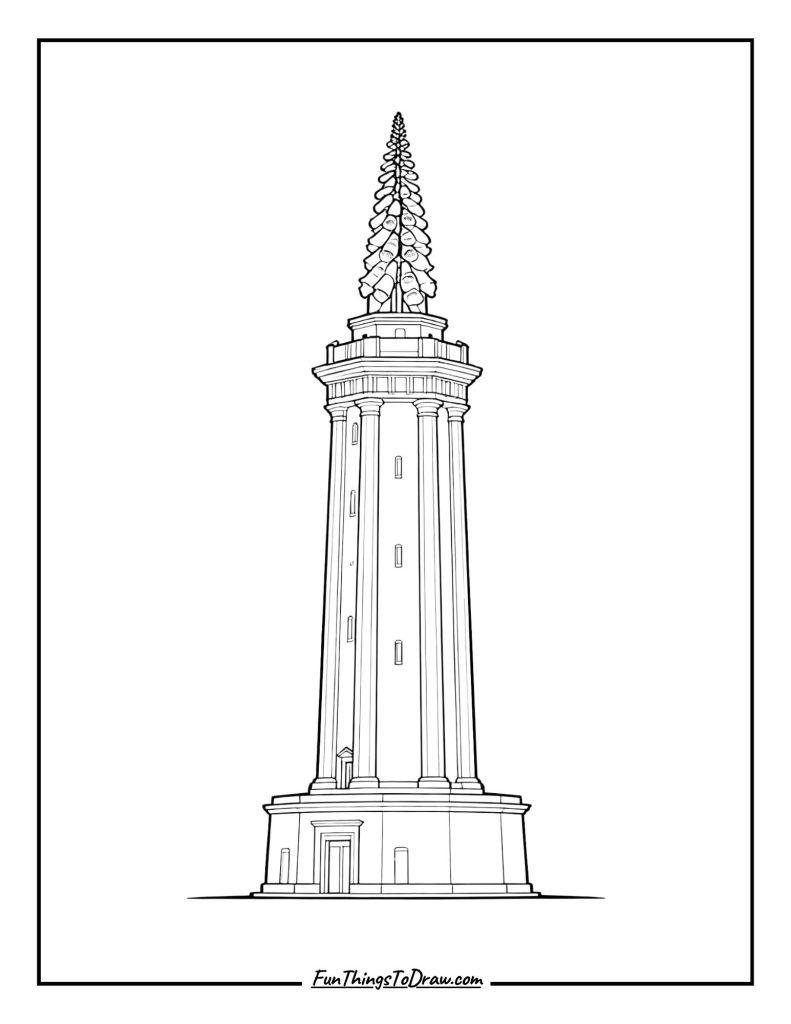
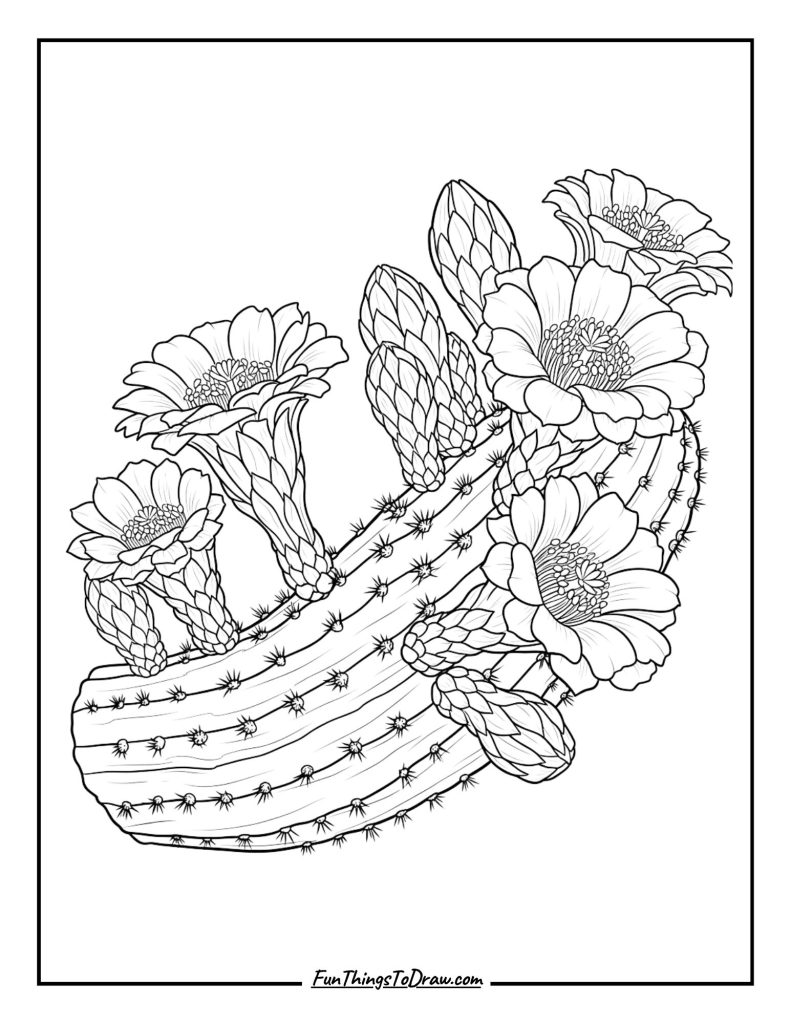
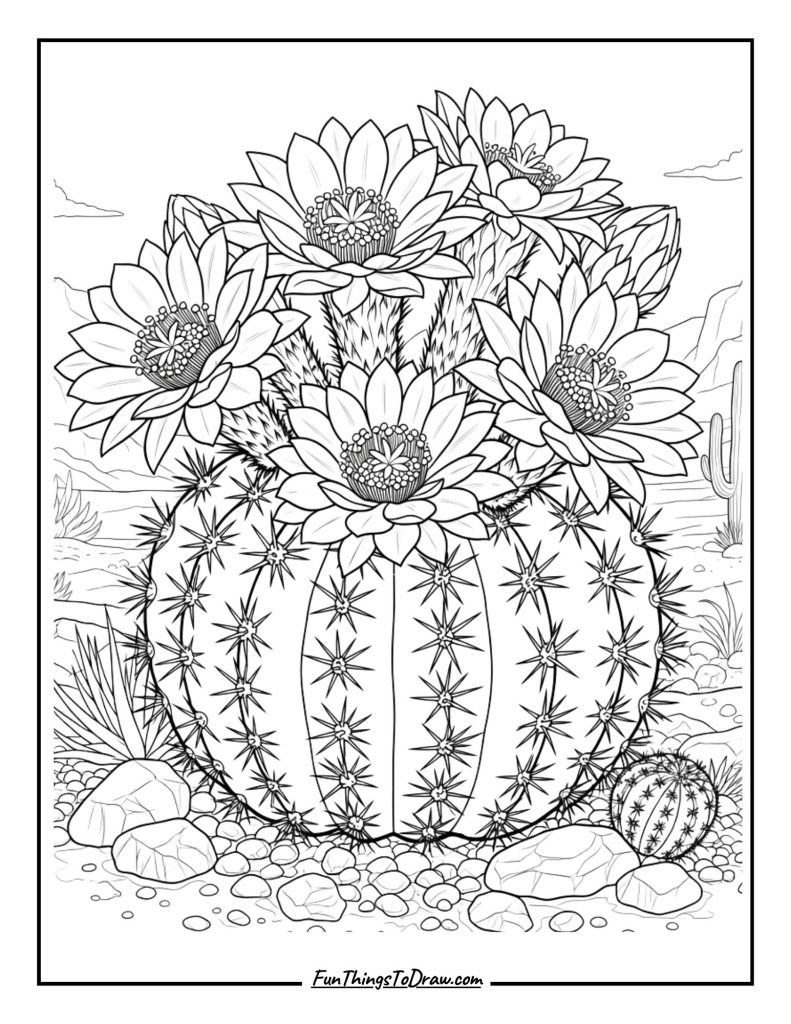
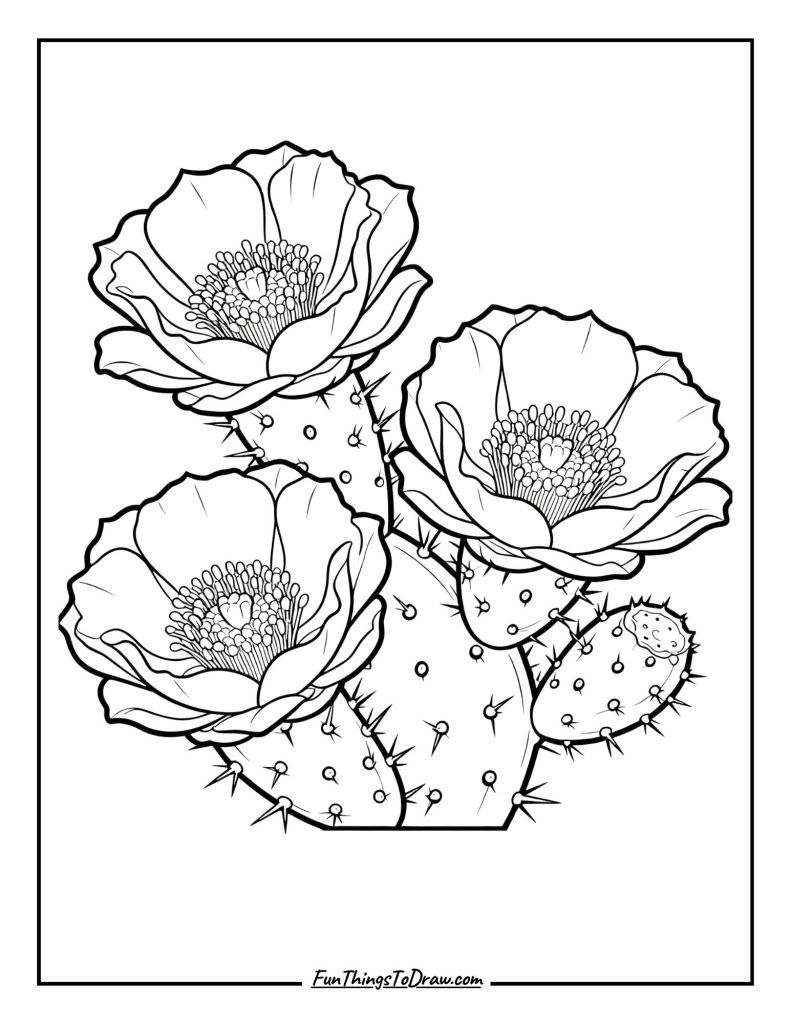
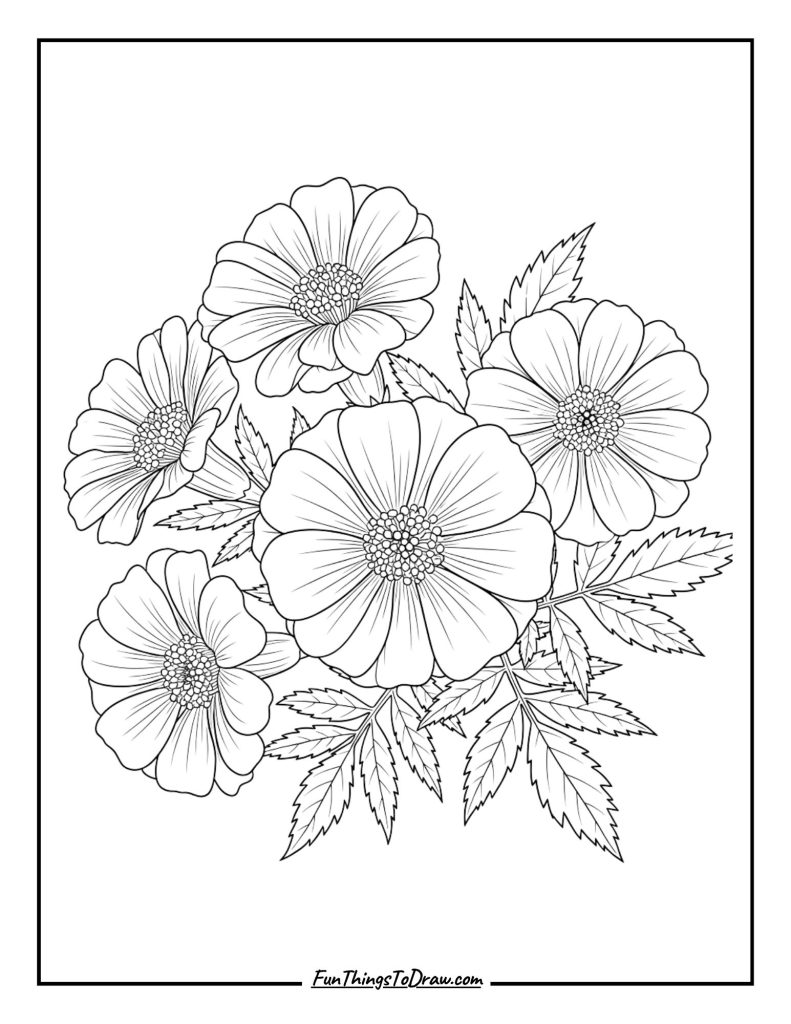
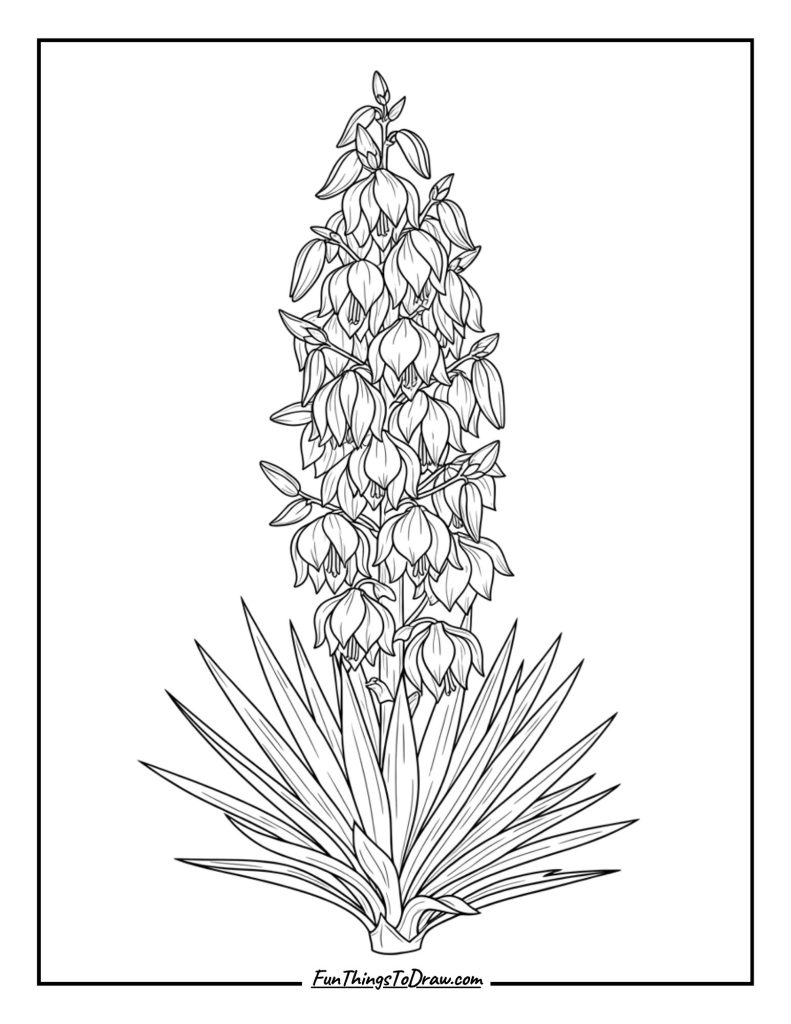
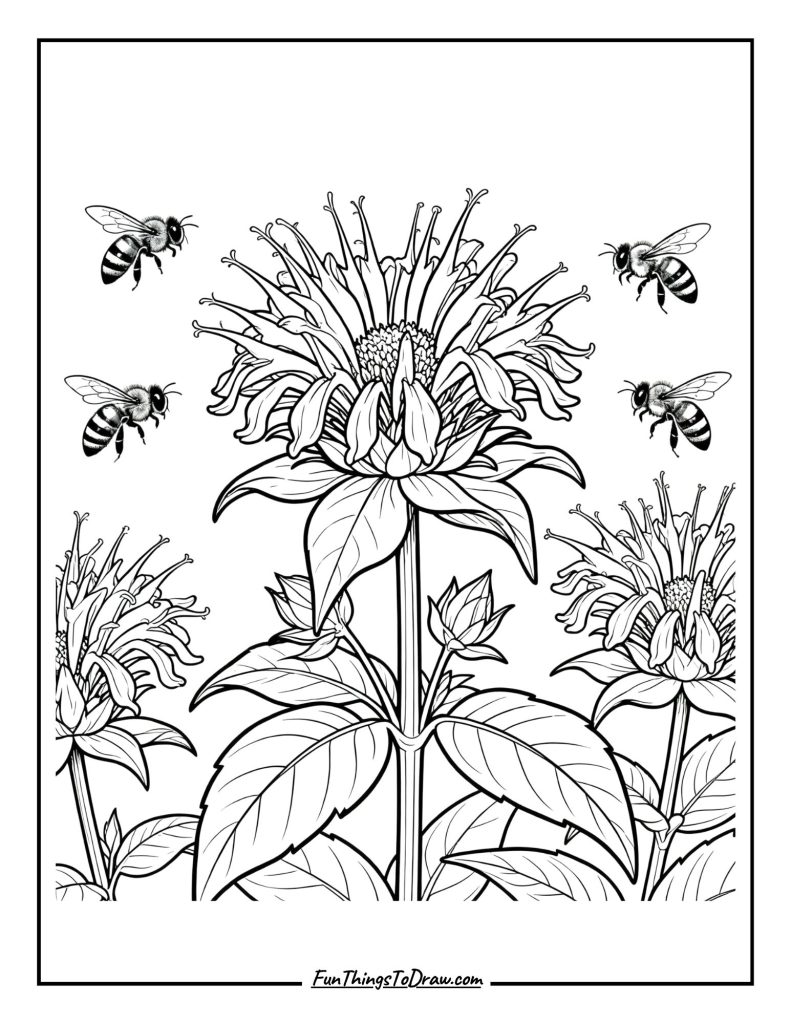
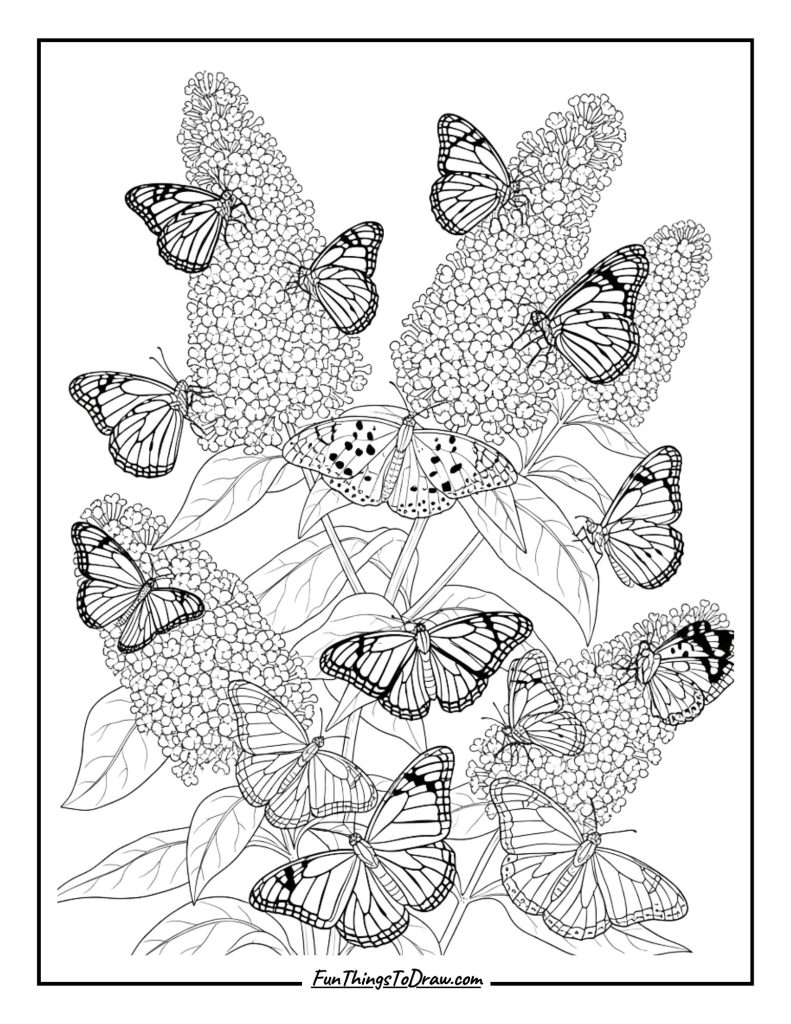
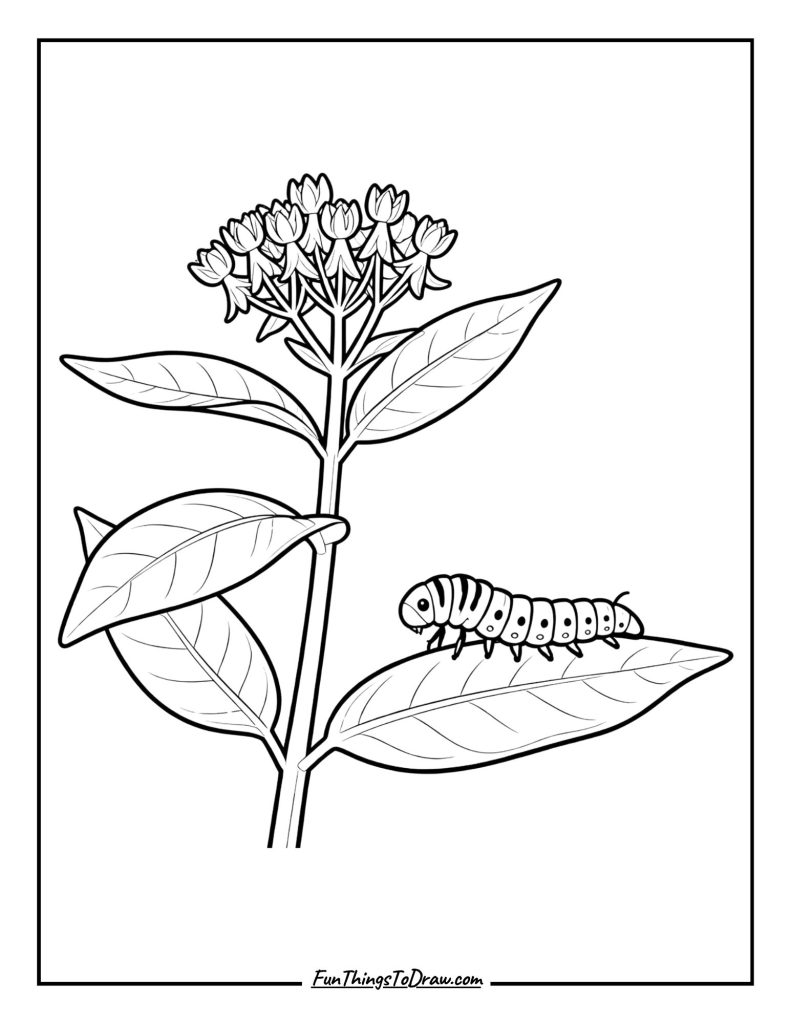
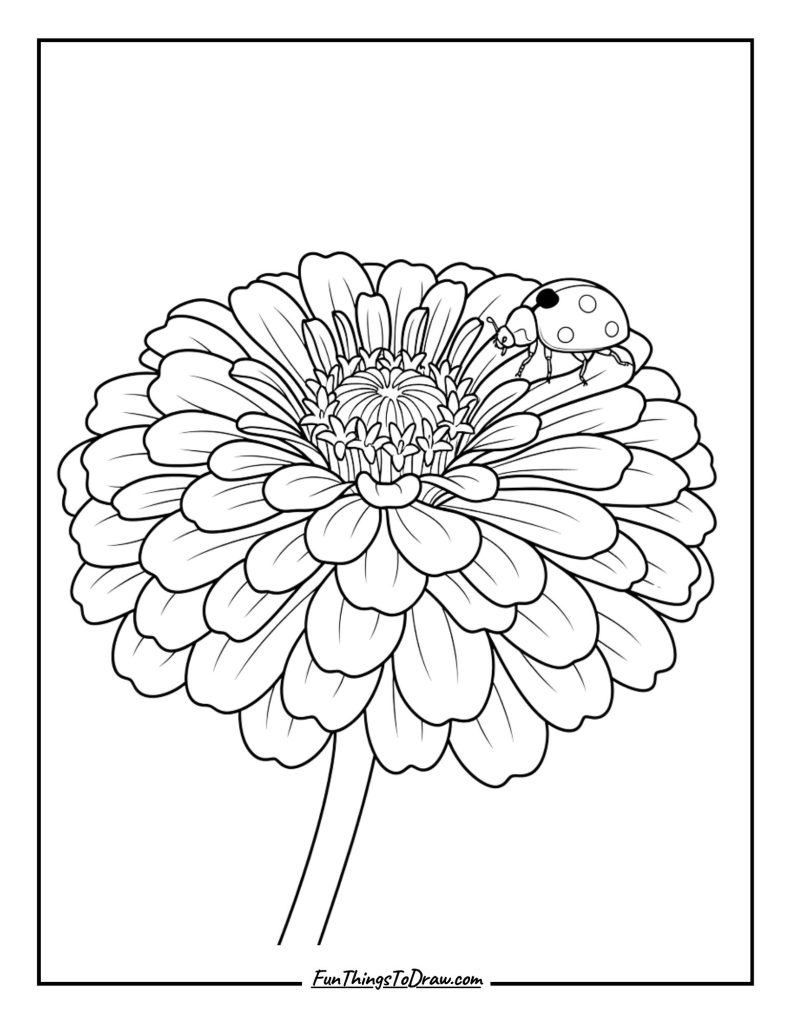
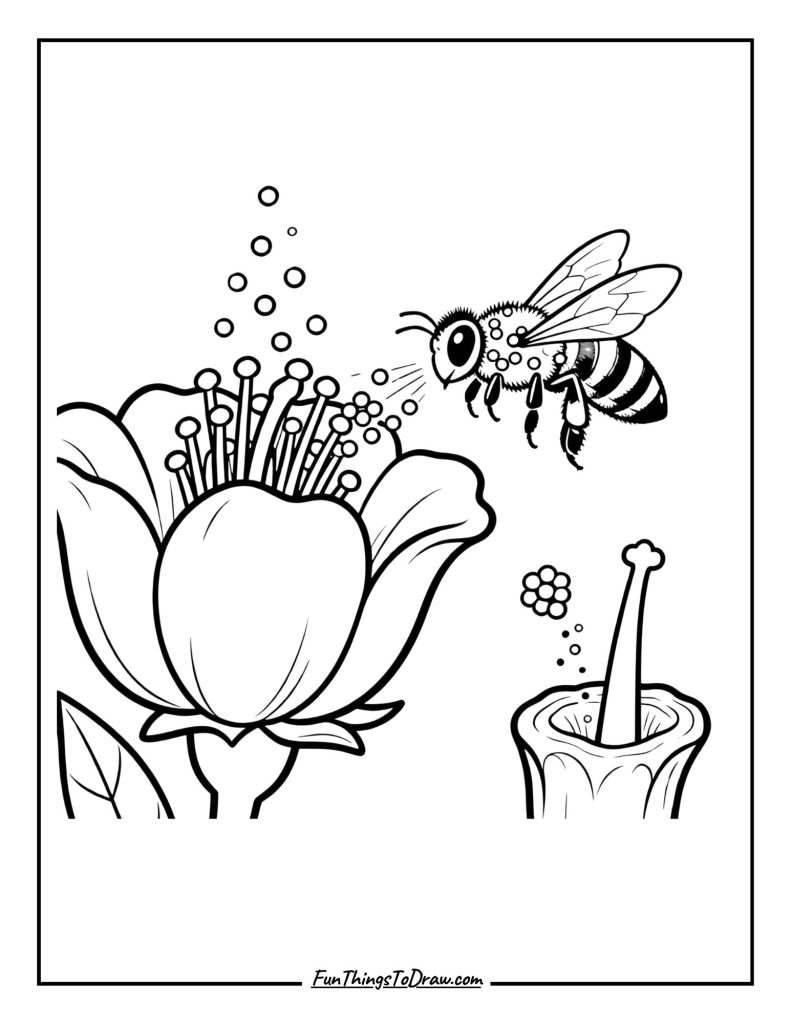
From the sunny cheerfulness of sunflowers buzzing with bees to the delicate elegance of cherry blossoms on a spring branch, these coloring pages capture flowers in their natural habitats. You’ll find everything from common garden favorites like roses and tulips to exotic tropical blooms like orchids and bird of paradise flowers. We’ve included woodland treasures, desert cacti in full bloom, and peaceful water lilies floating on pond surfaces.
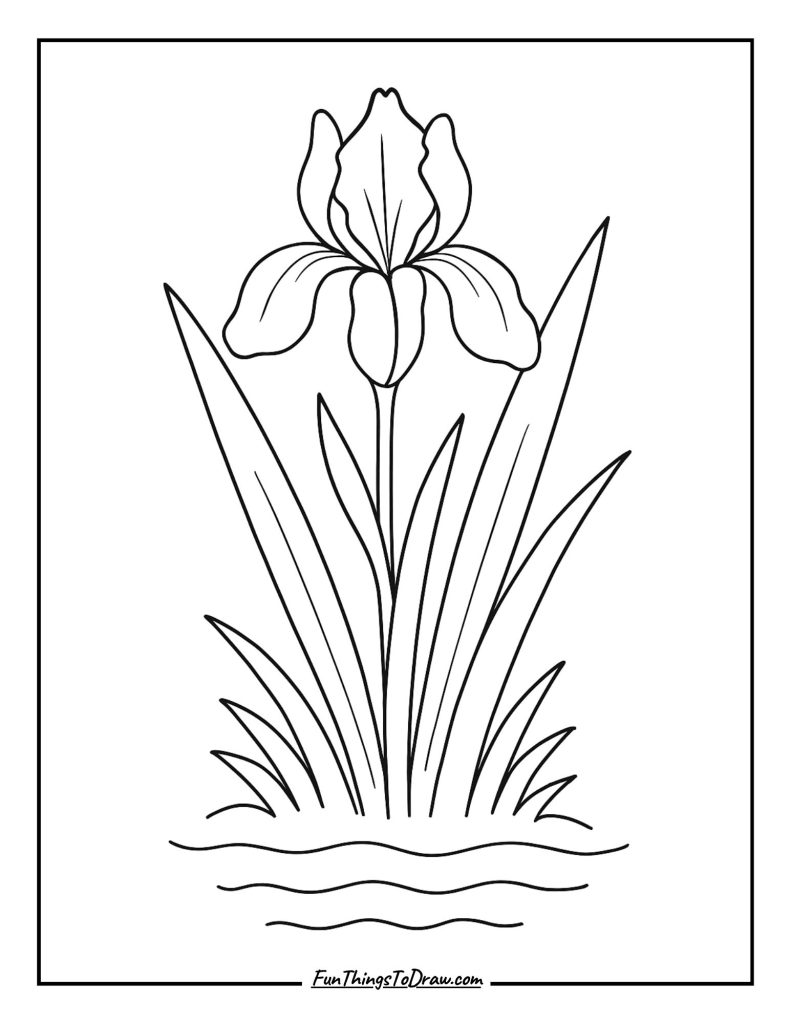
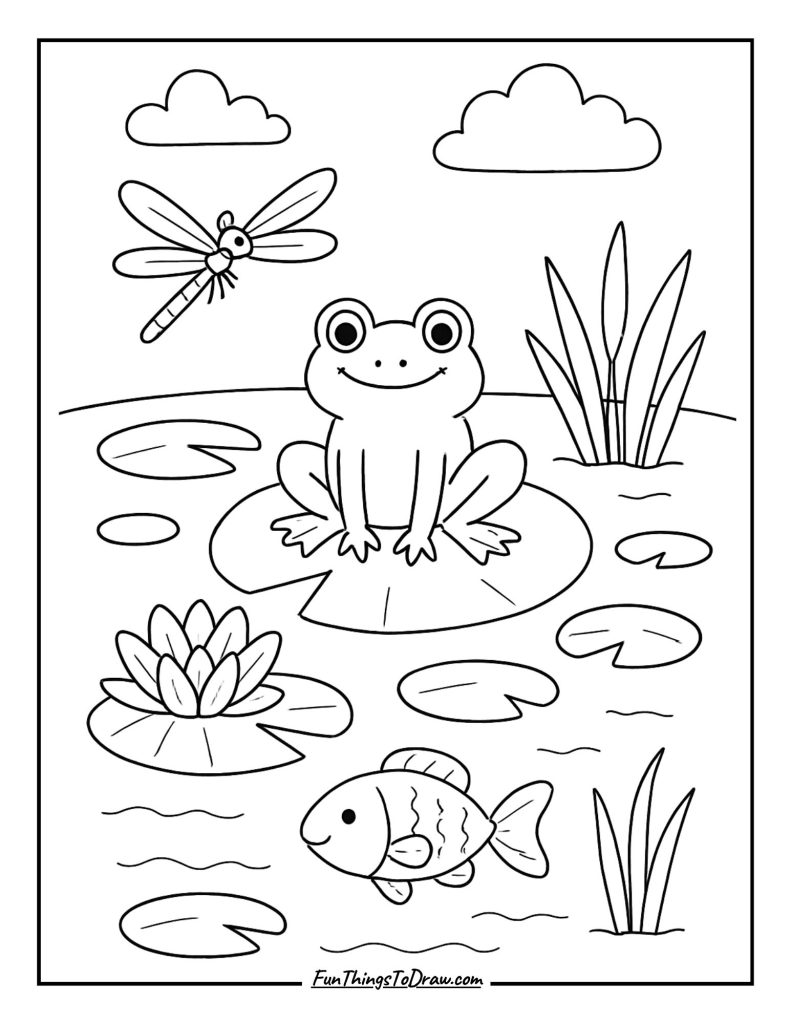
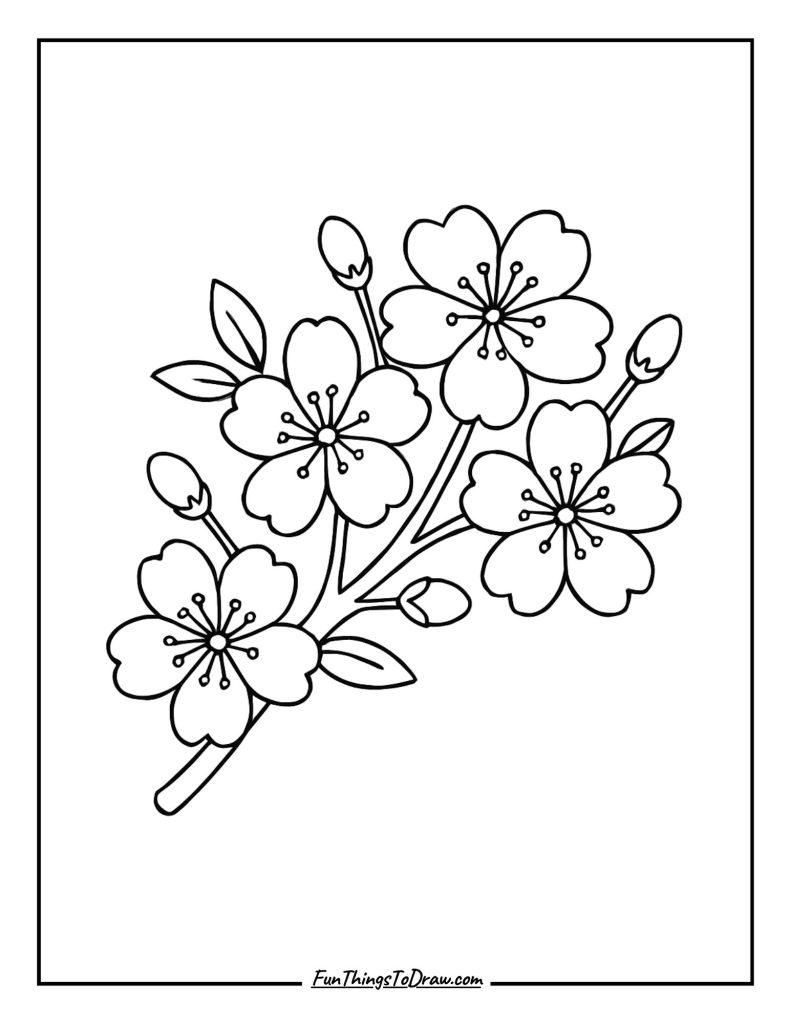
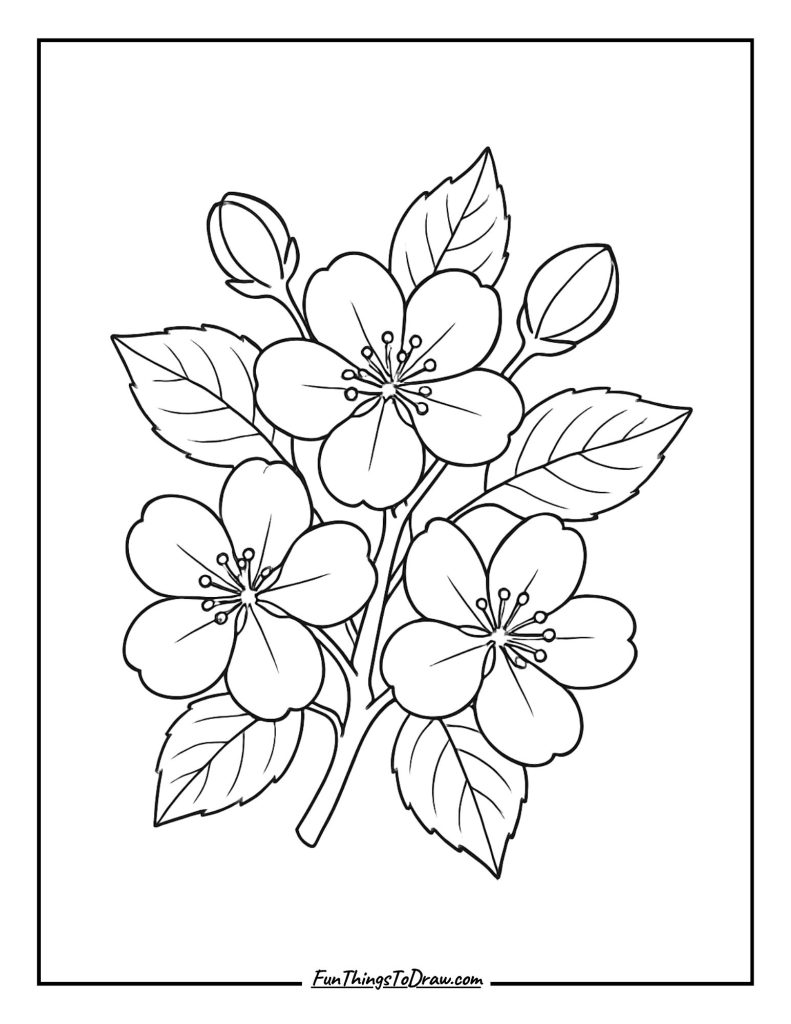
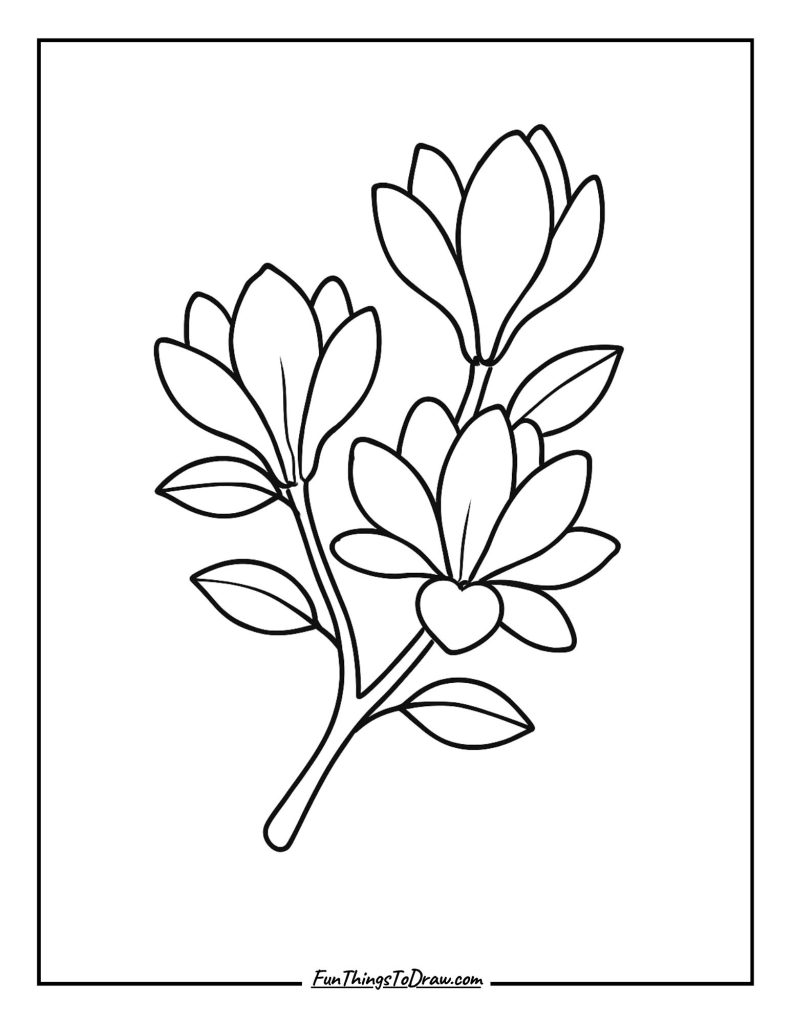
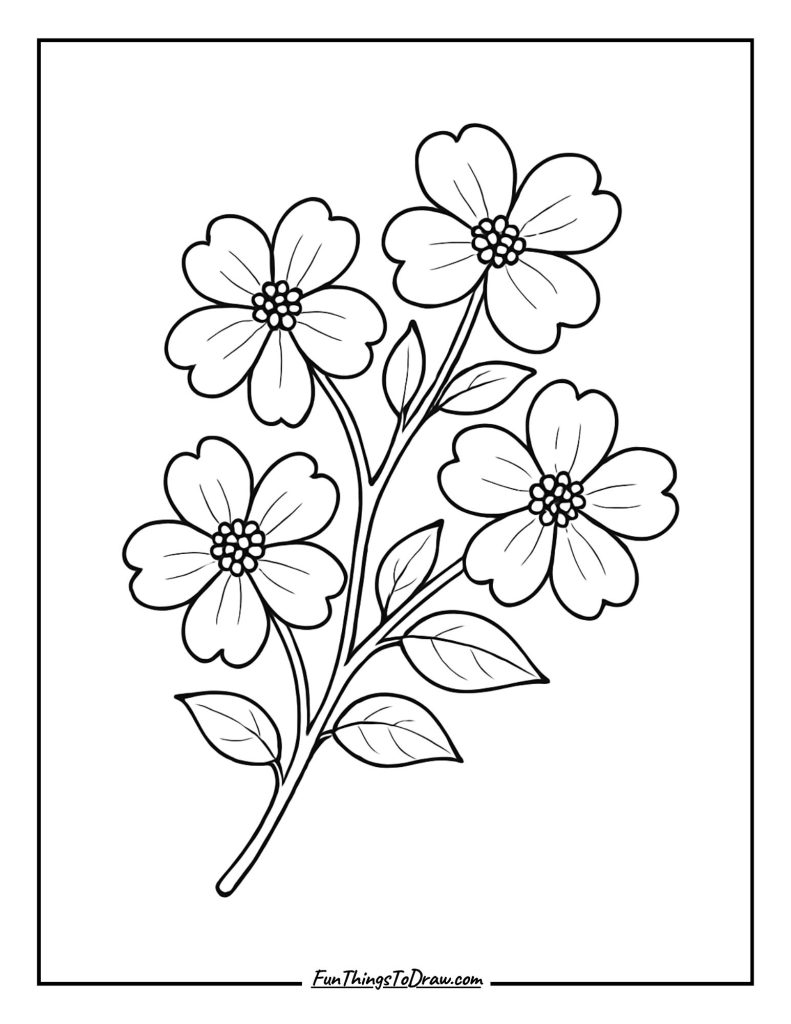
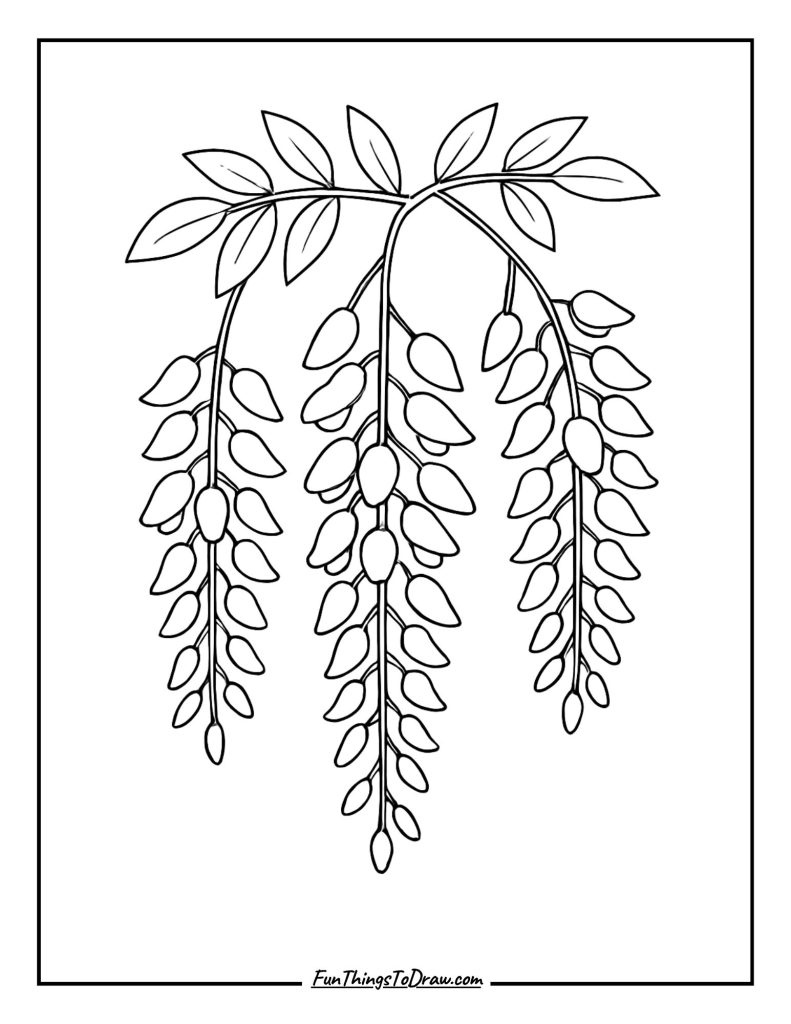
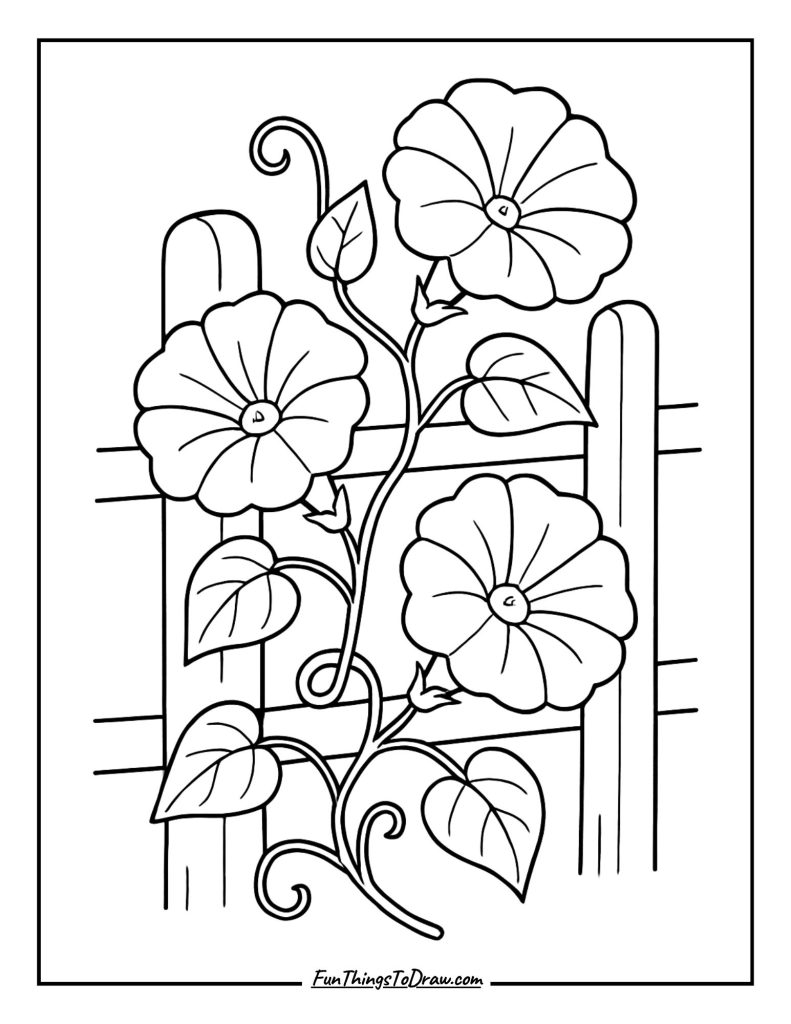
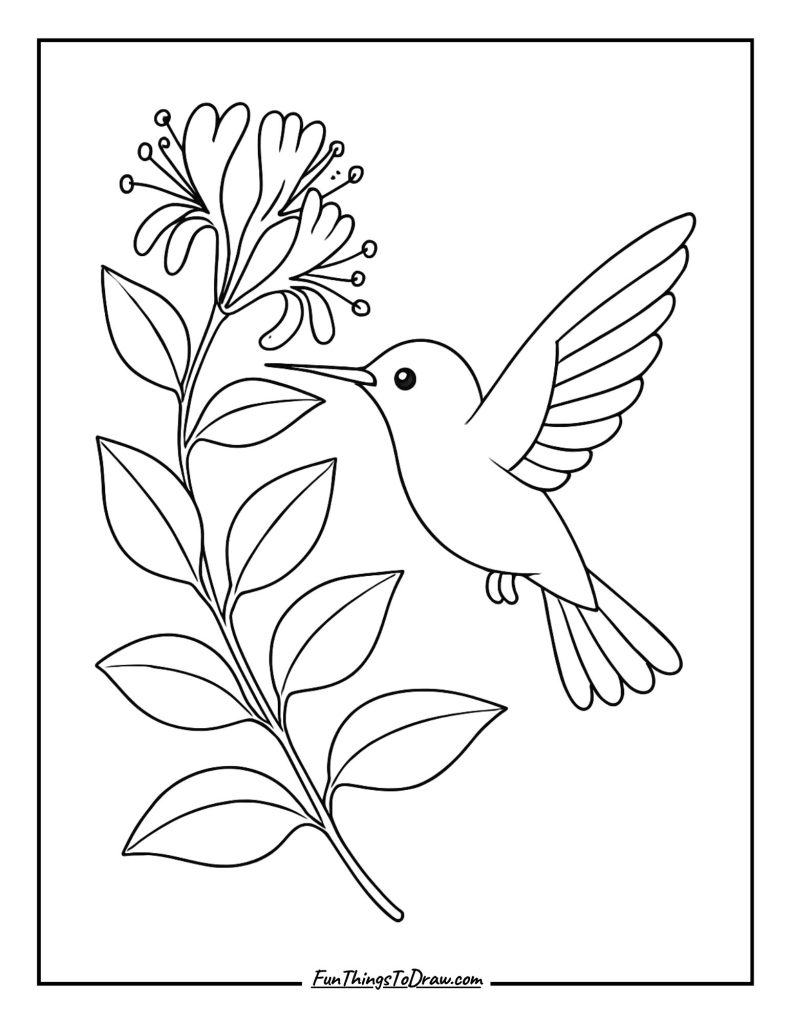
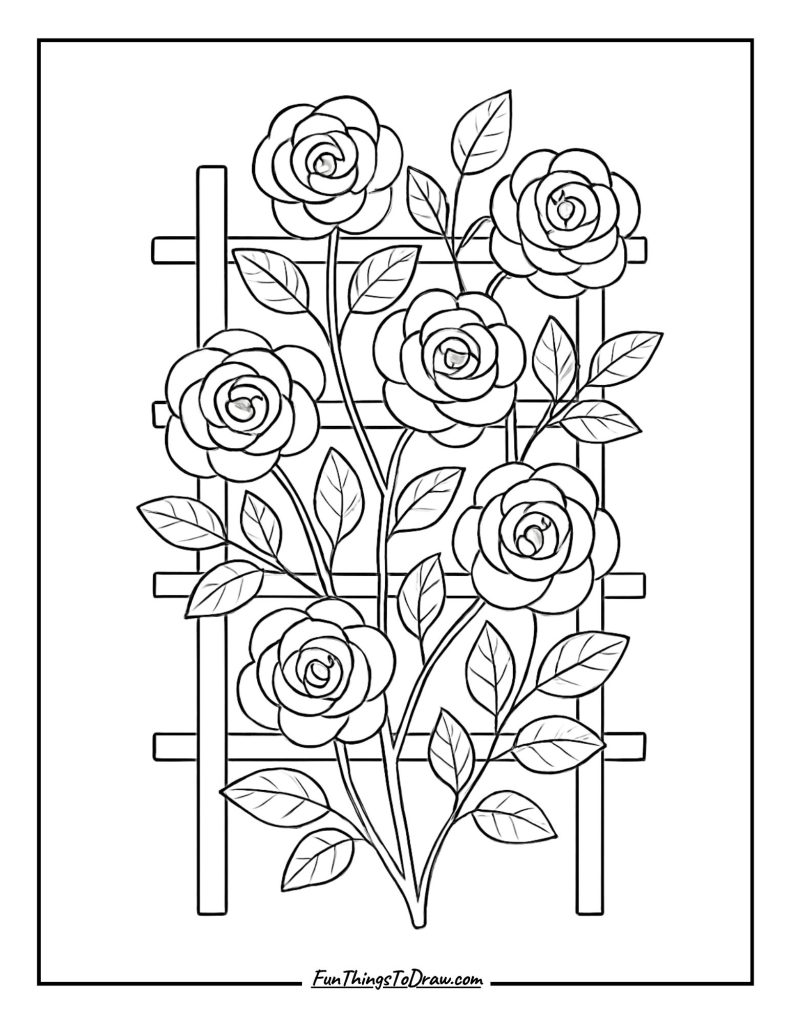
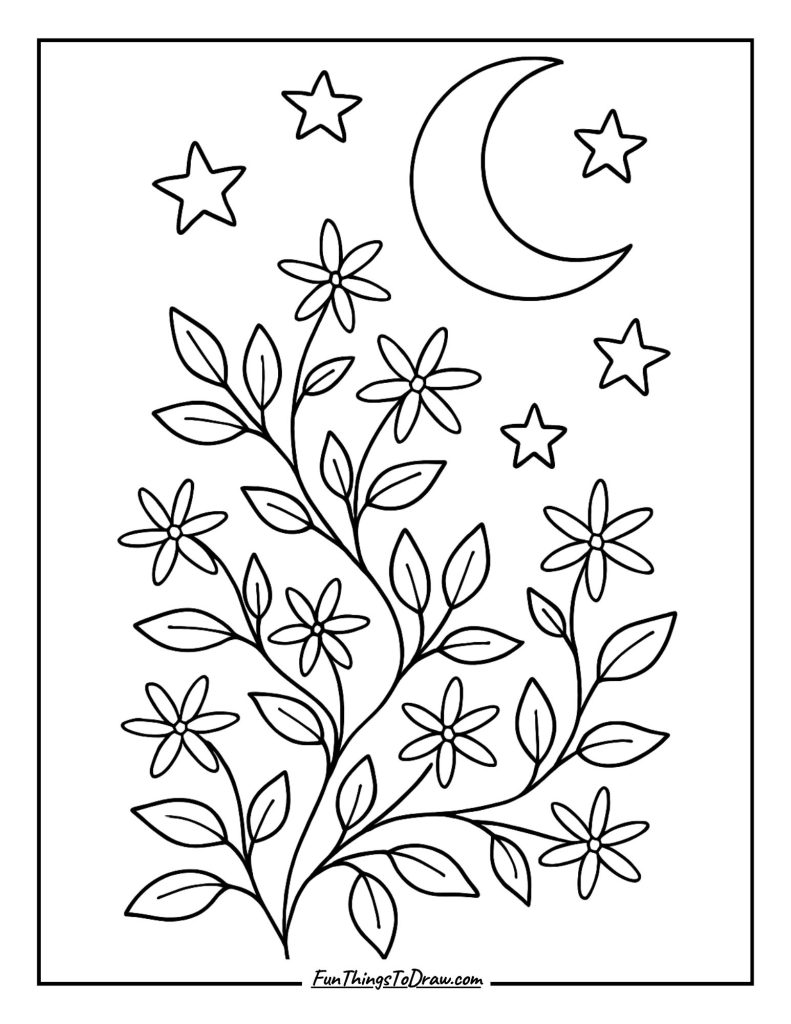
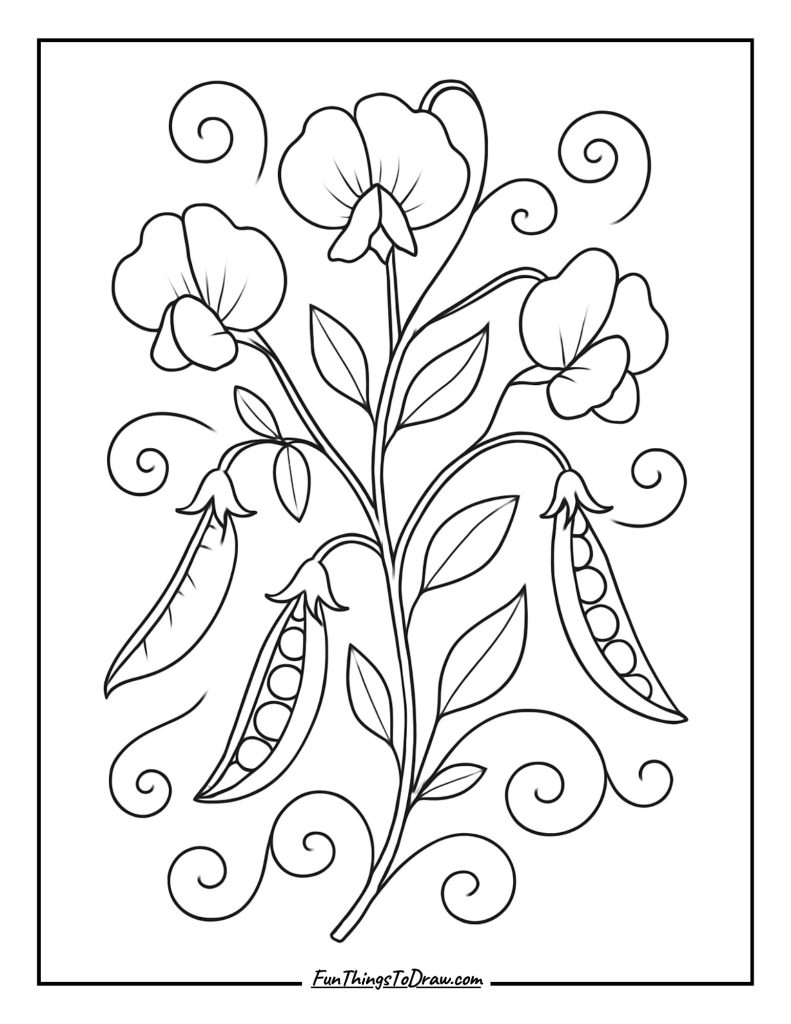
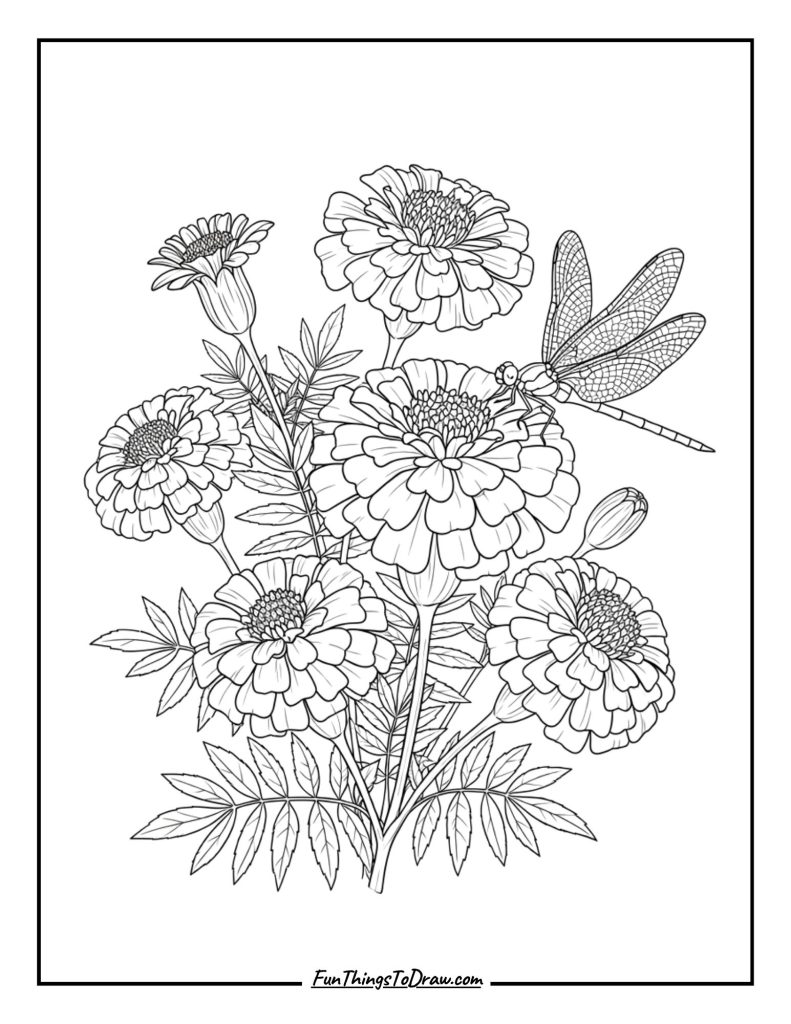
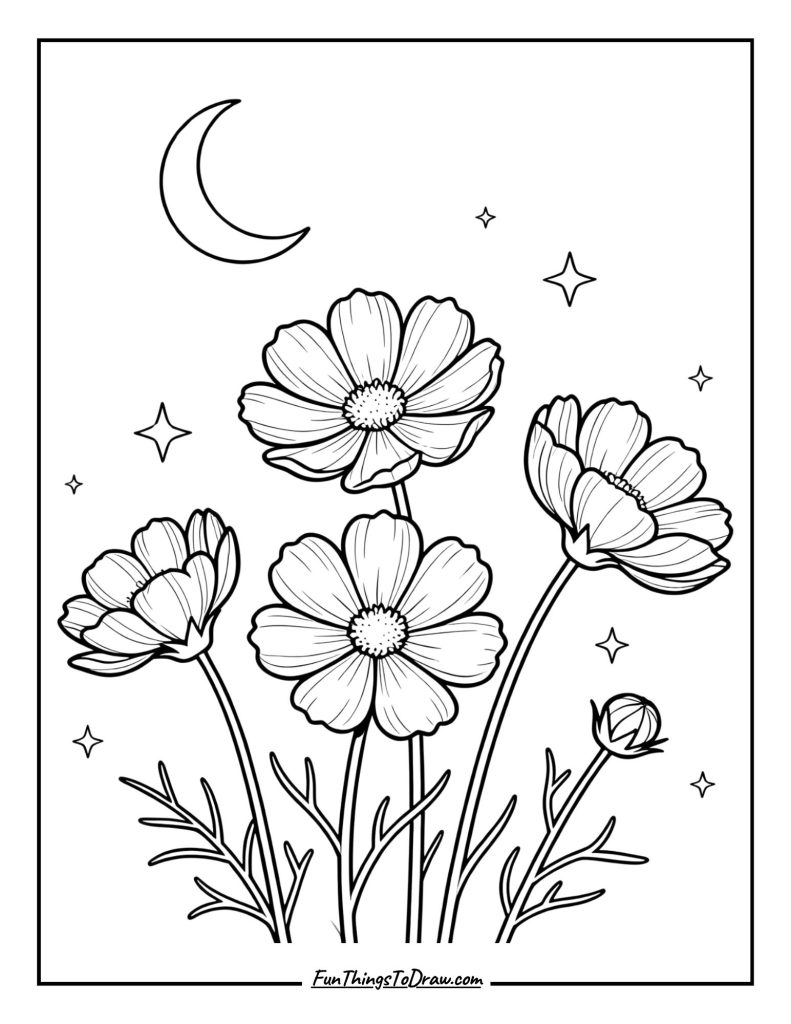
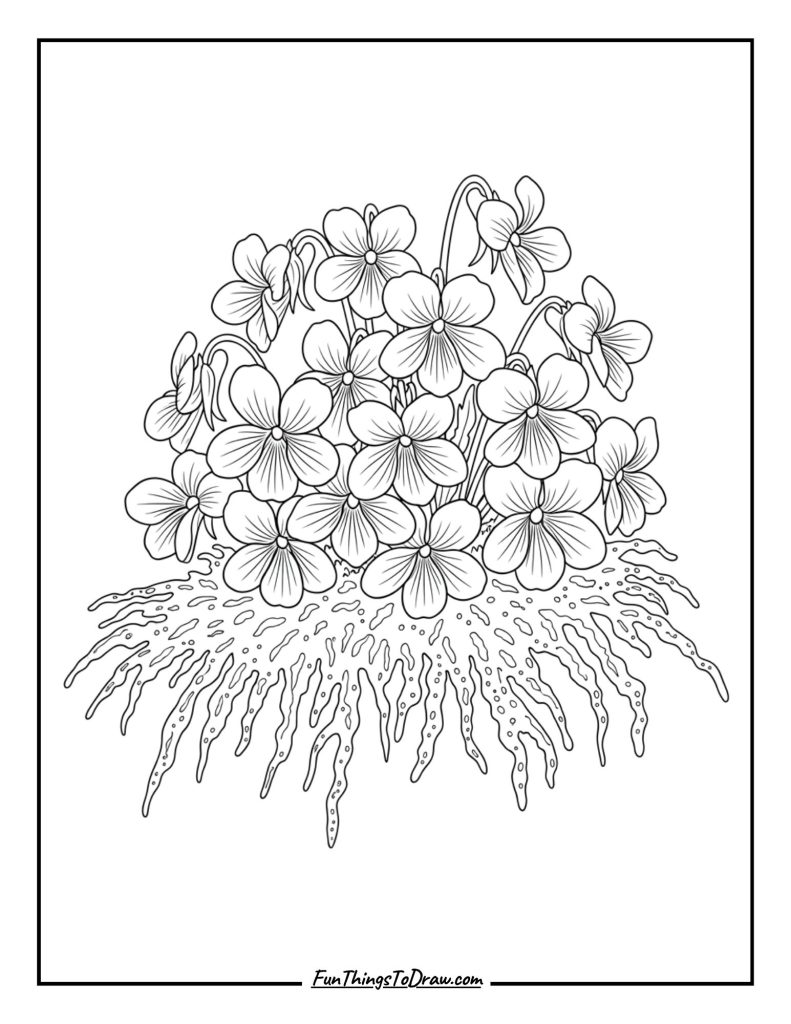
Coloring Suggestions For Flower Coloring Pages
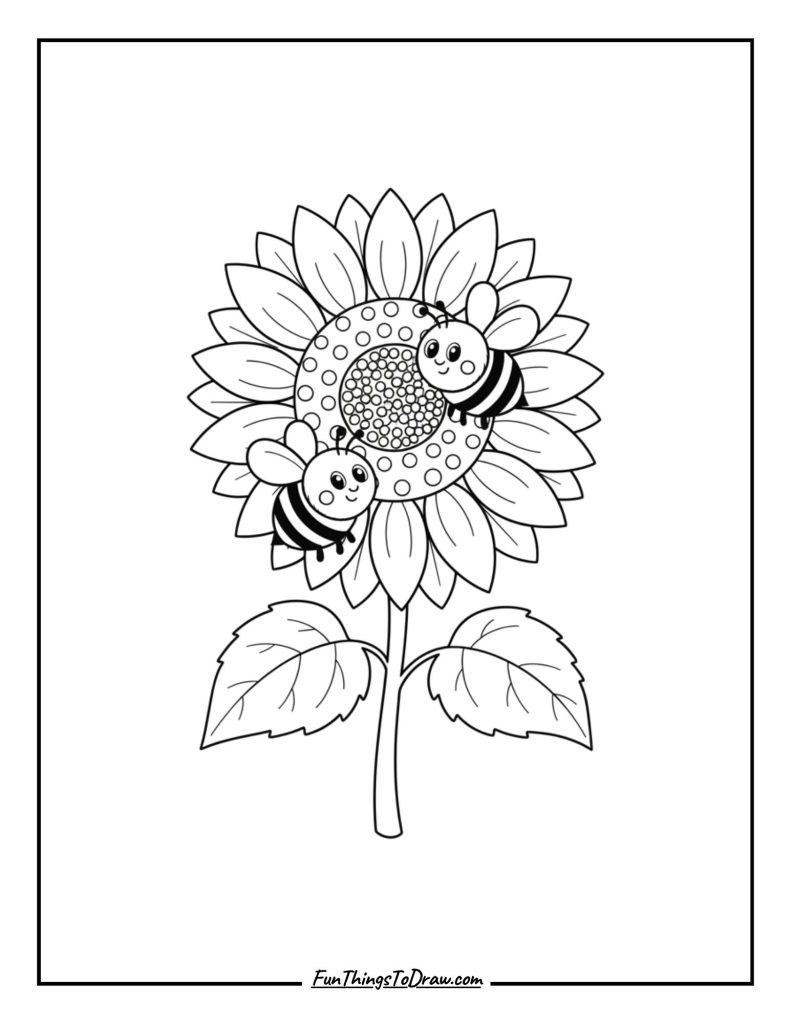
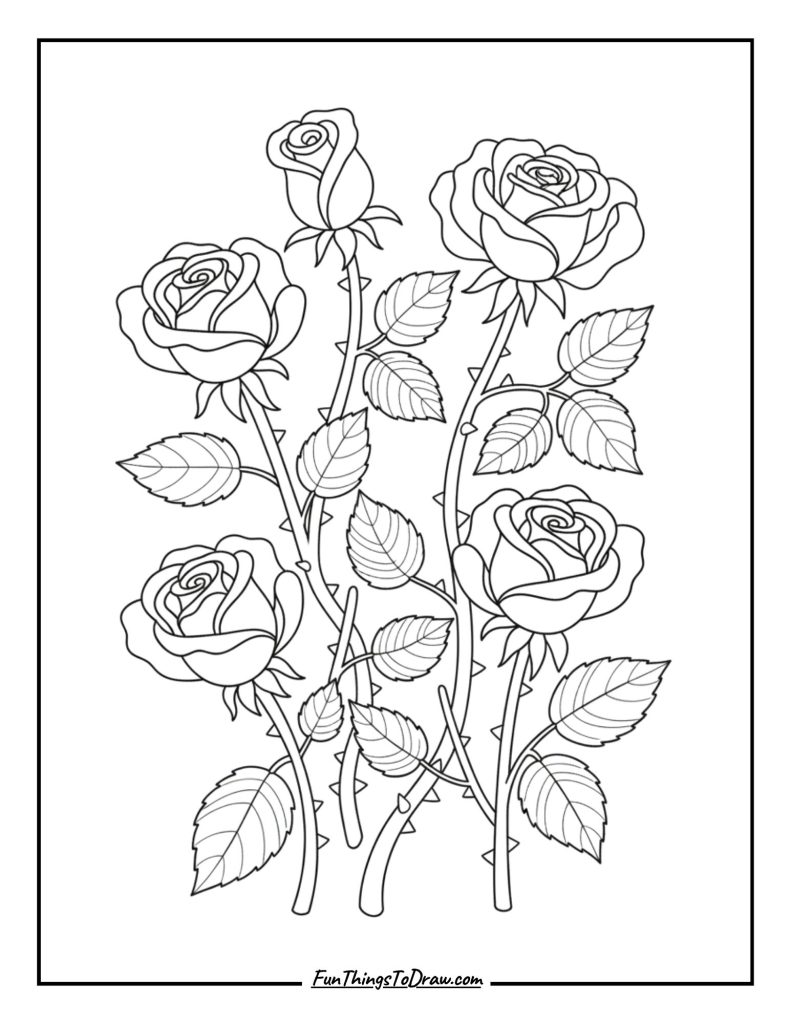
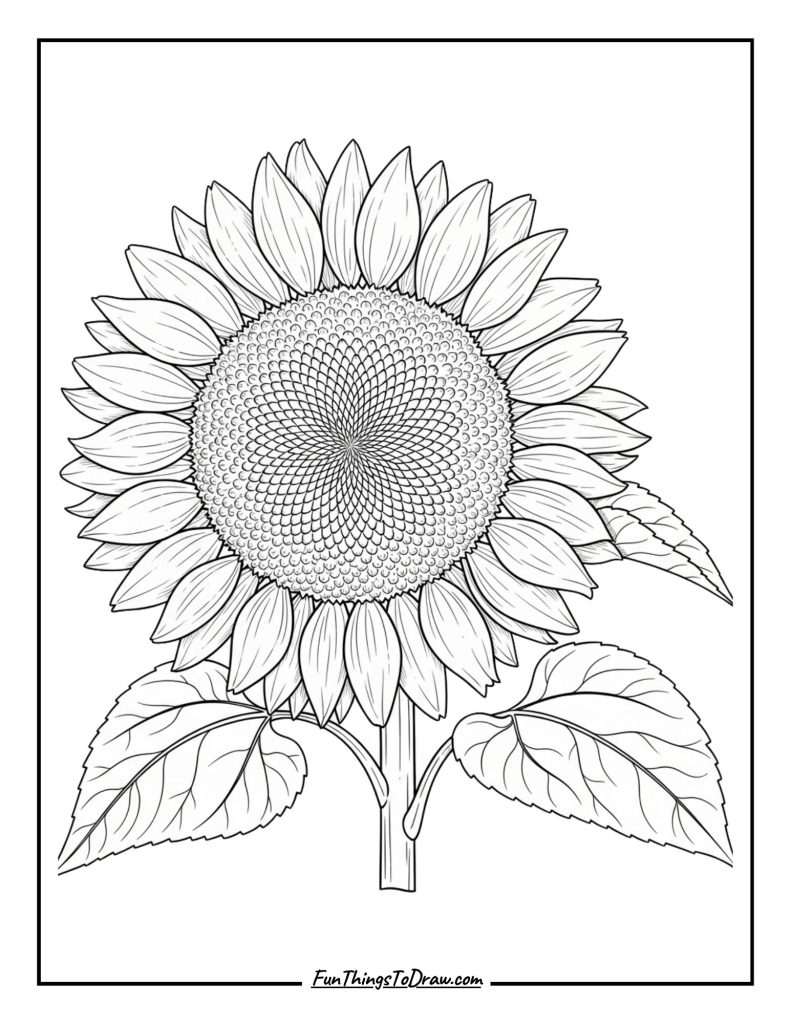
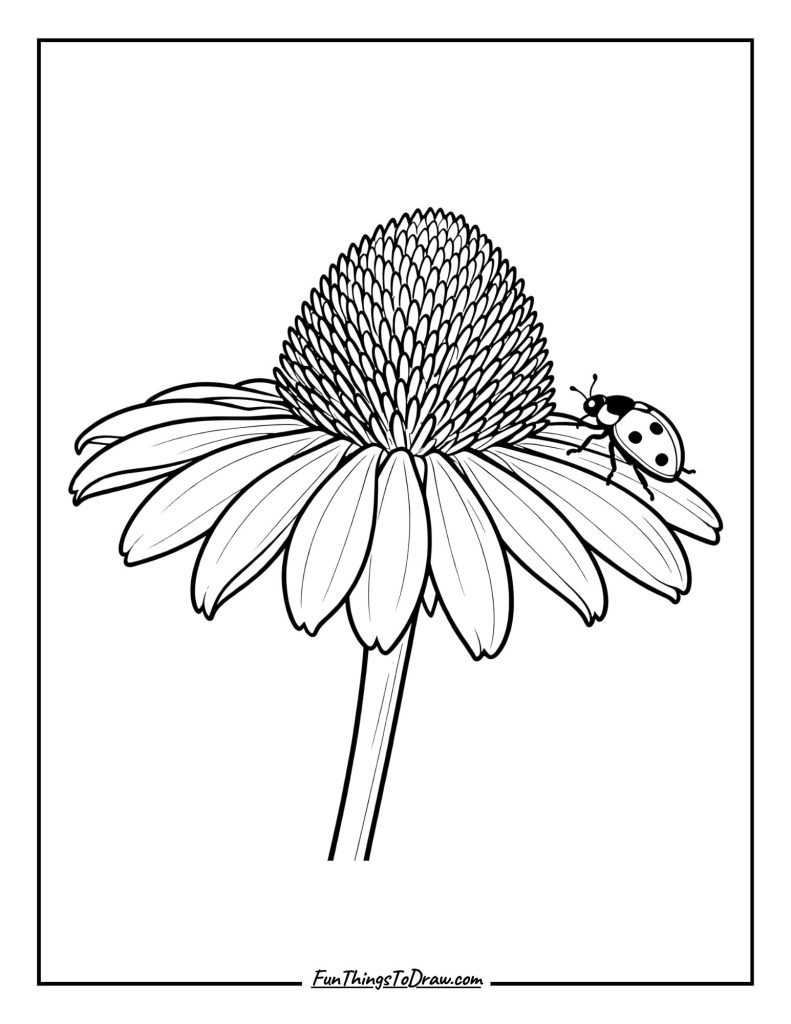
Start with lighter colors and gradually build up to darker shades for a more realistic and dimensional look. Use colored pencils for fine details and markers or crayons for filling larger areas. For garden flowers like sunflowers, use bright yellows with golden-brown centers and add orange highlights for depth. Roses look beautiful in classic reds, soft pinks, or creamy whites with green stems and darker green leaves.
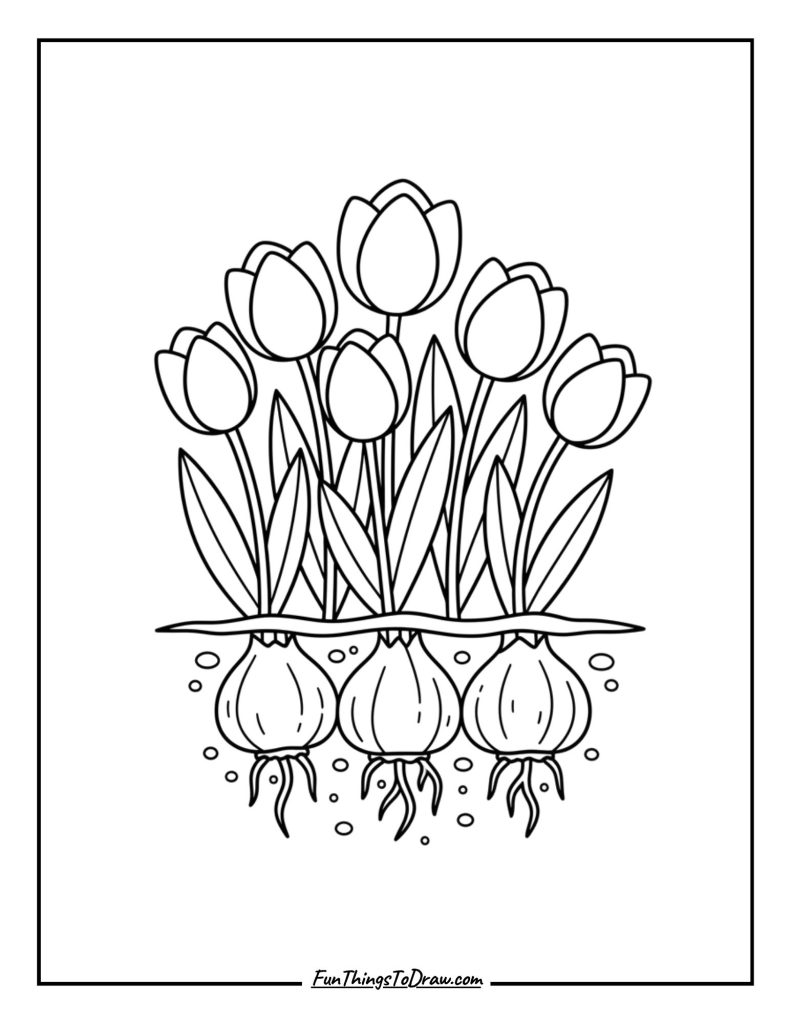
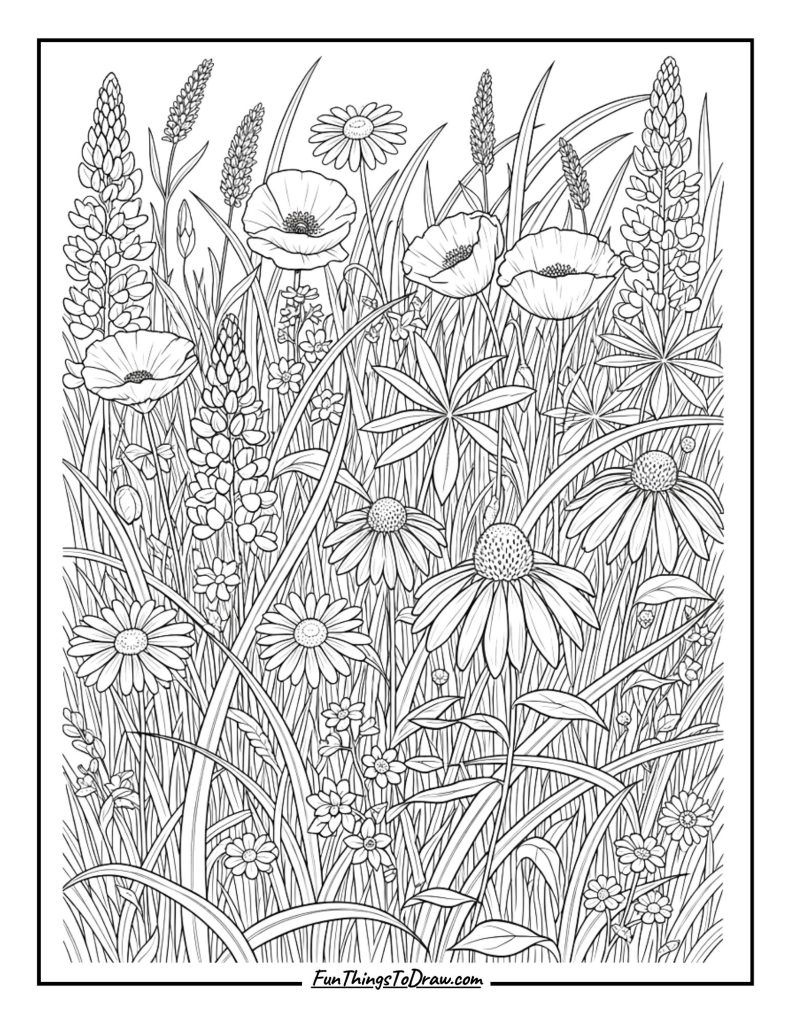
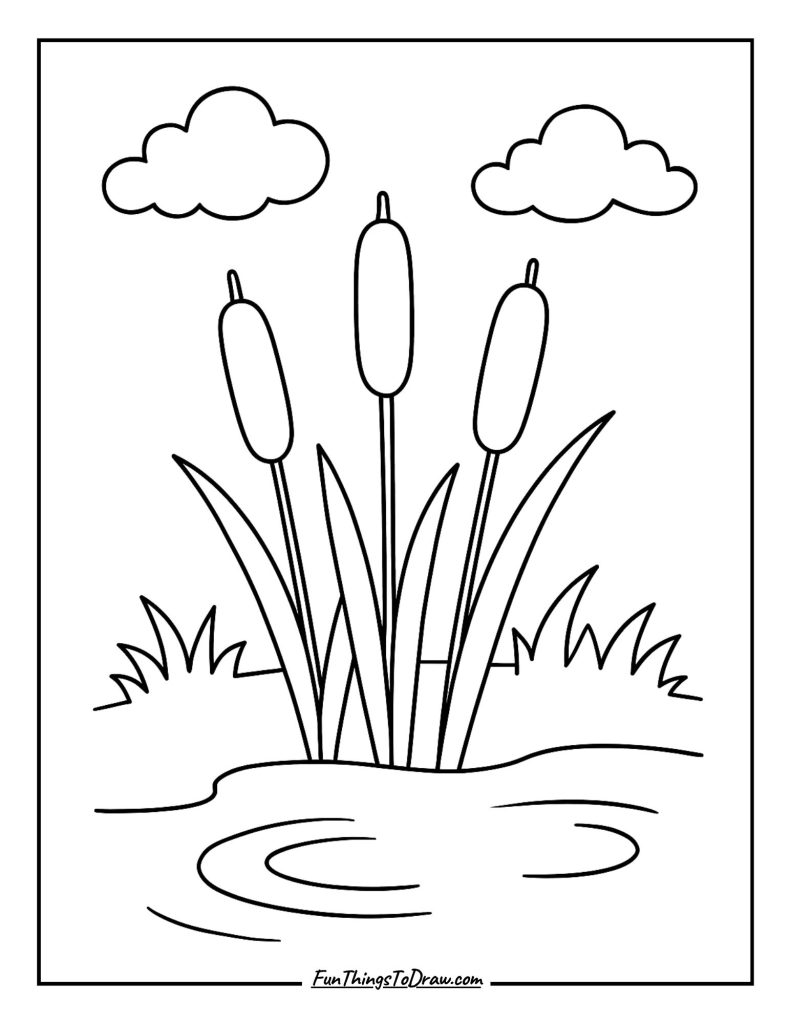
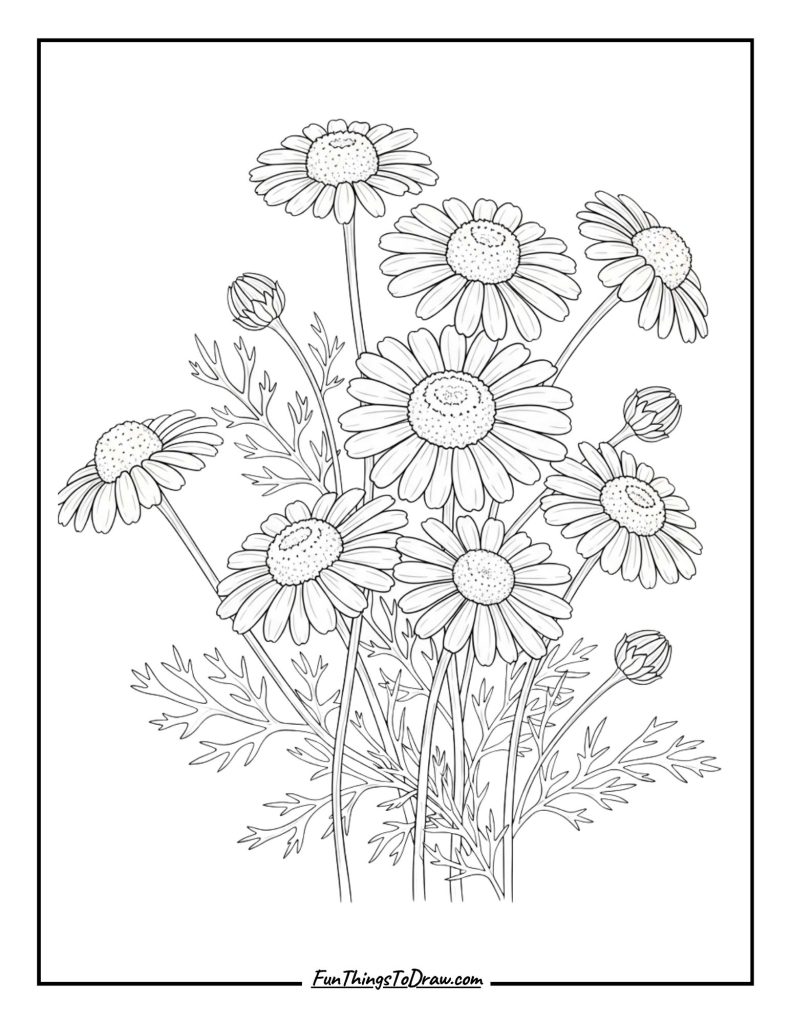
Tulips are perfect for bold colors like purple, red, or yellow, while daisies can be white with yellow centers or try pink and lavender varieties. Water flowers such as water lilies look lovely in white, pink, or yellow floating on green lily pads, and don’t forget to add blue water and brown mud for pond scenes.
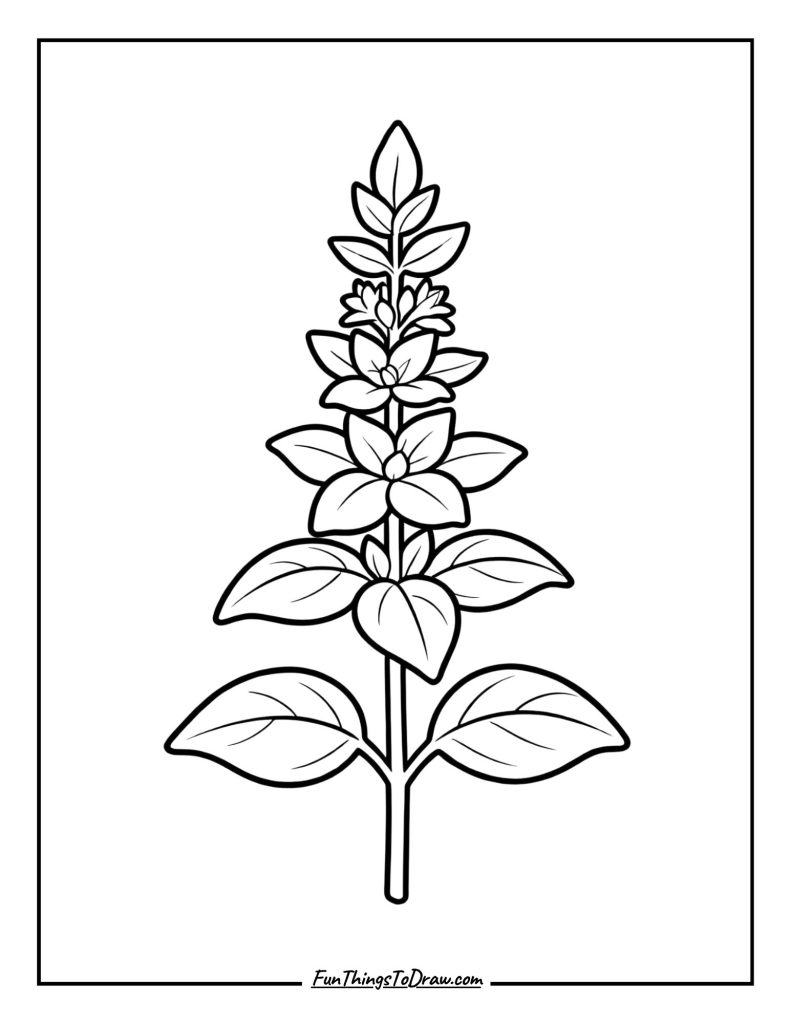
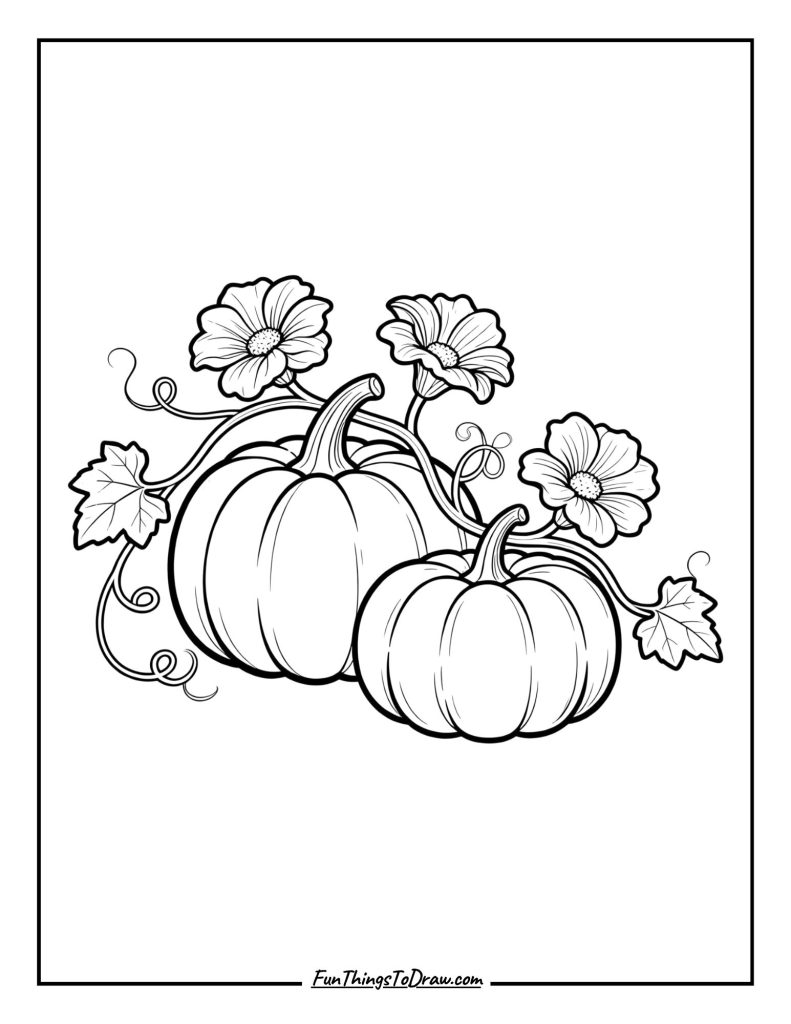
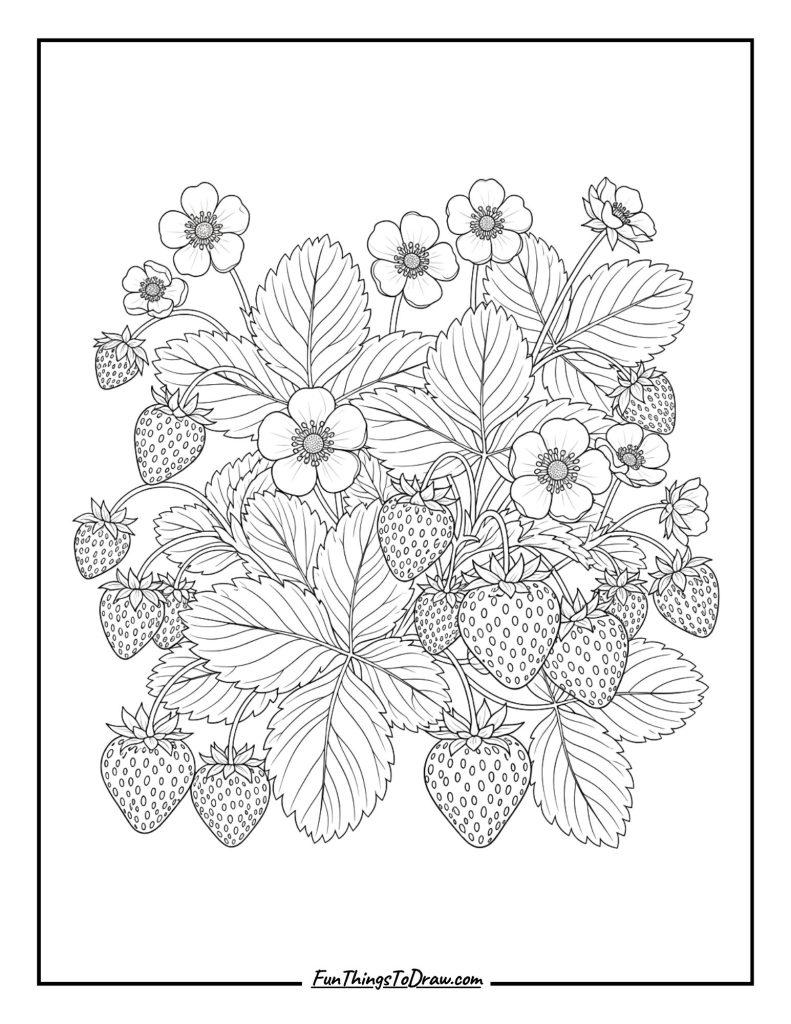
For Vining flowers such as morning glories look stunning in blues and purples with heart-shaped green leaves, and climbing roses can be any color on brown wooden trellises. For herb and vegetable flowers, use white petals with yellow centers for chamomile and strawberry flowers, bright golden orange for pumpkin flowers, and add red berries where shown.
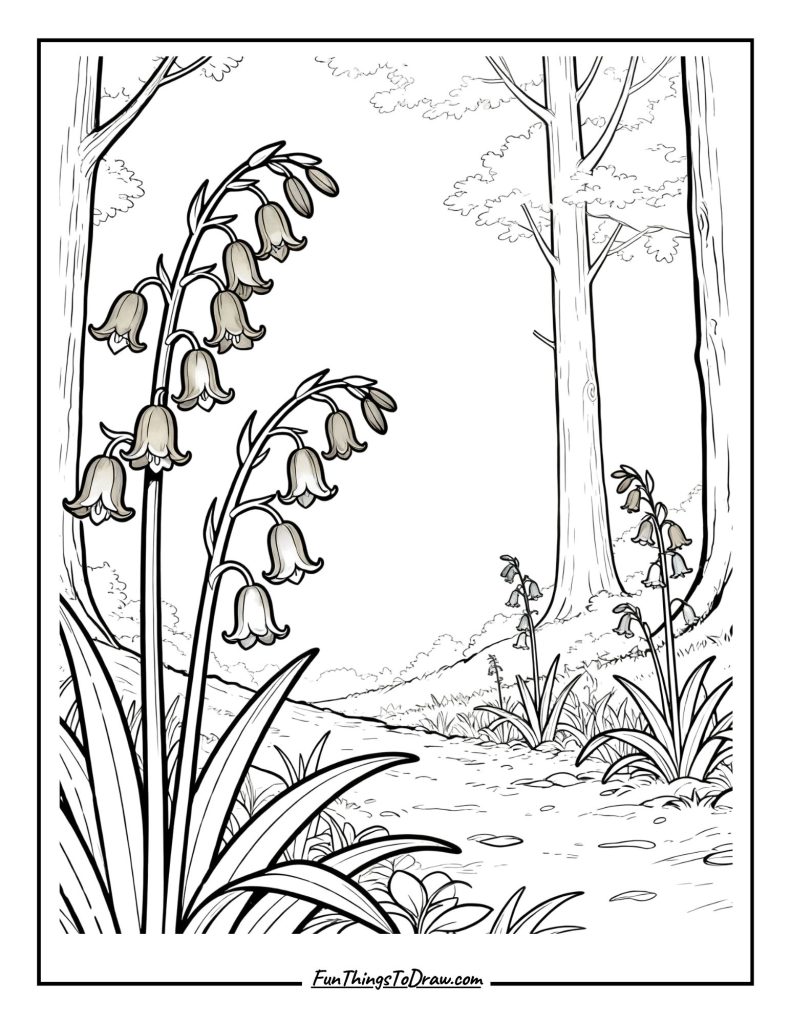
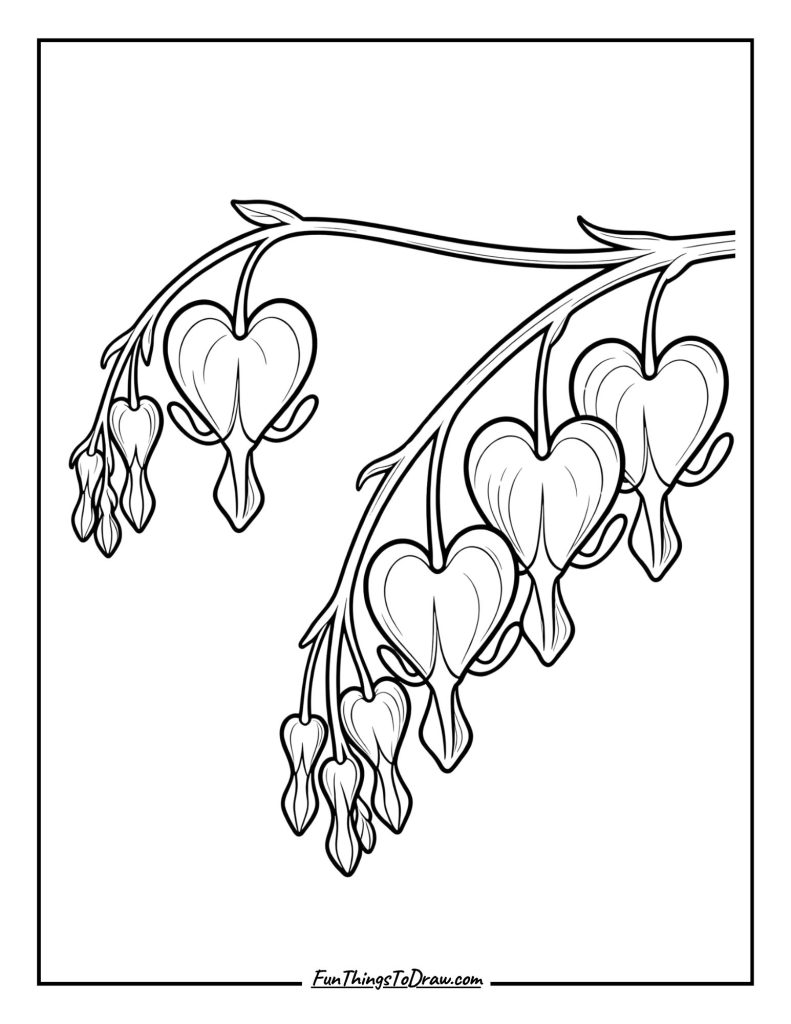
Woodland flowers like bluebells should be soft blue-purple, while bleeding hearts are distinctively pink or white heart-shaped blooms. Desert flowers bring unique opportunities with white saguaro blooms on green cacti and bright yellow or pink flowers on barrel and prickly pear cacti.
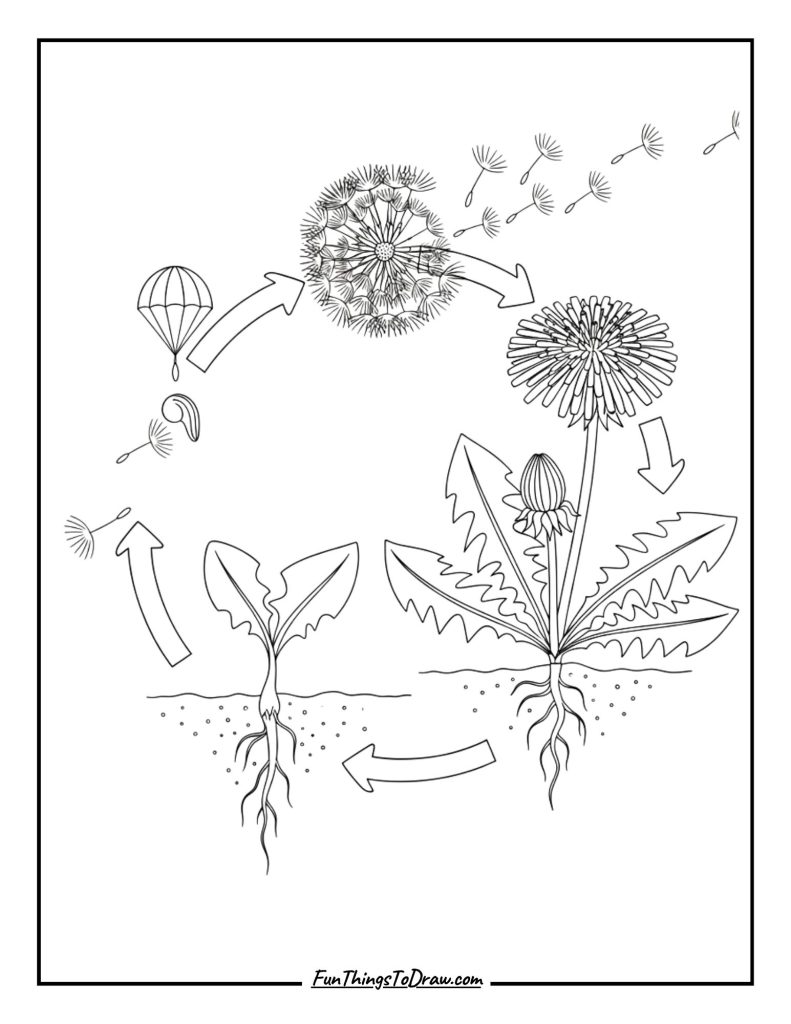
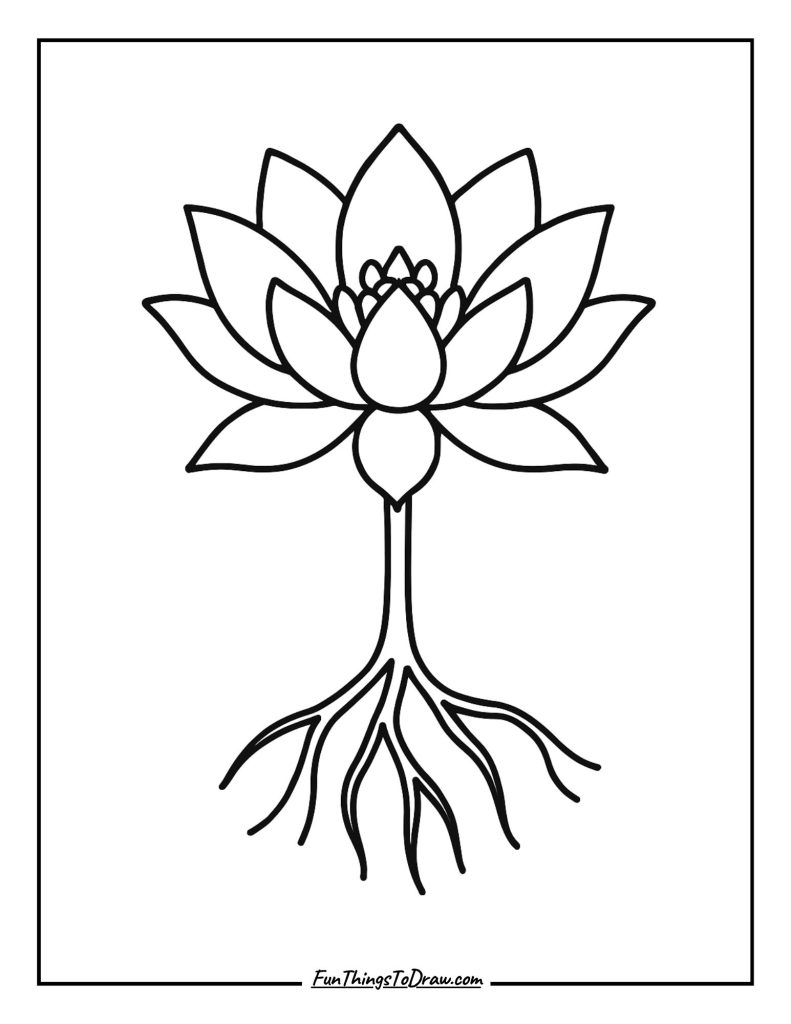
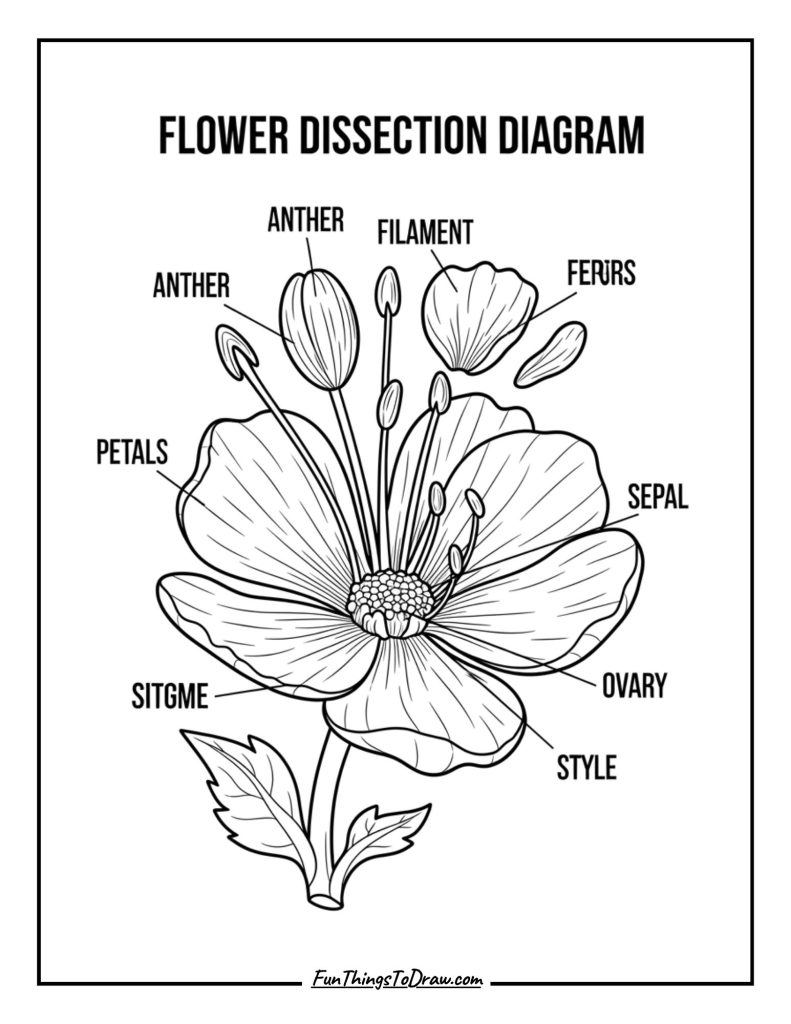
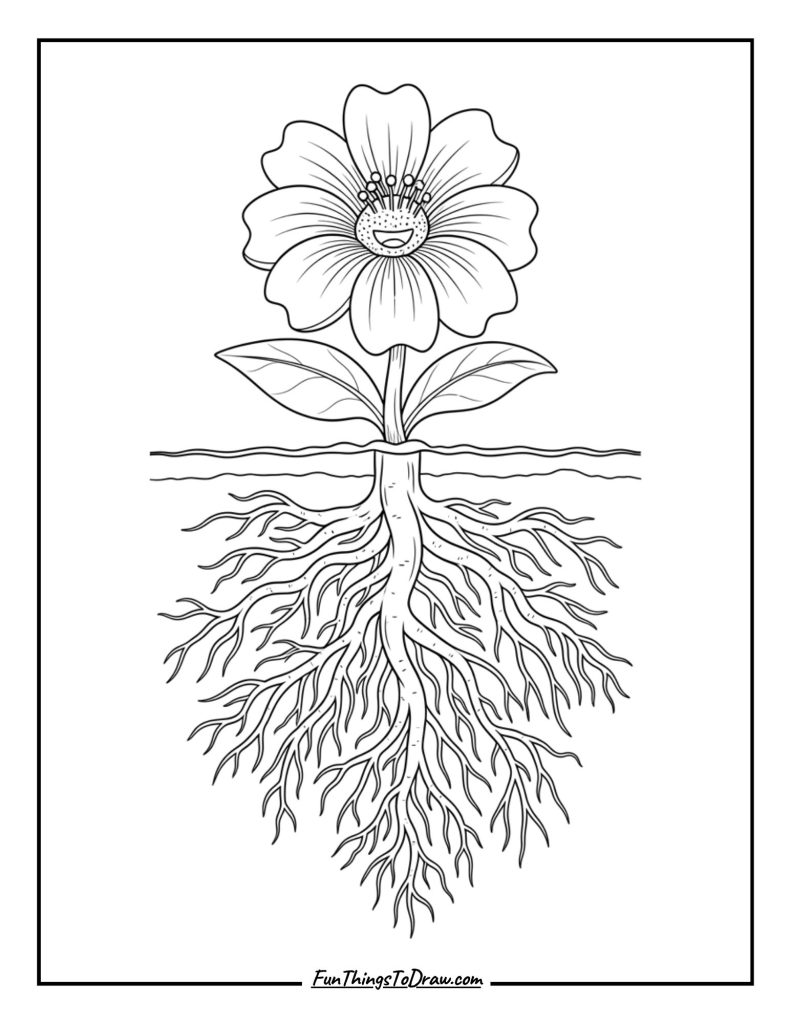
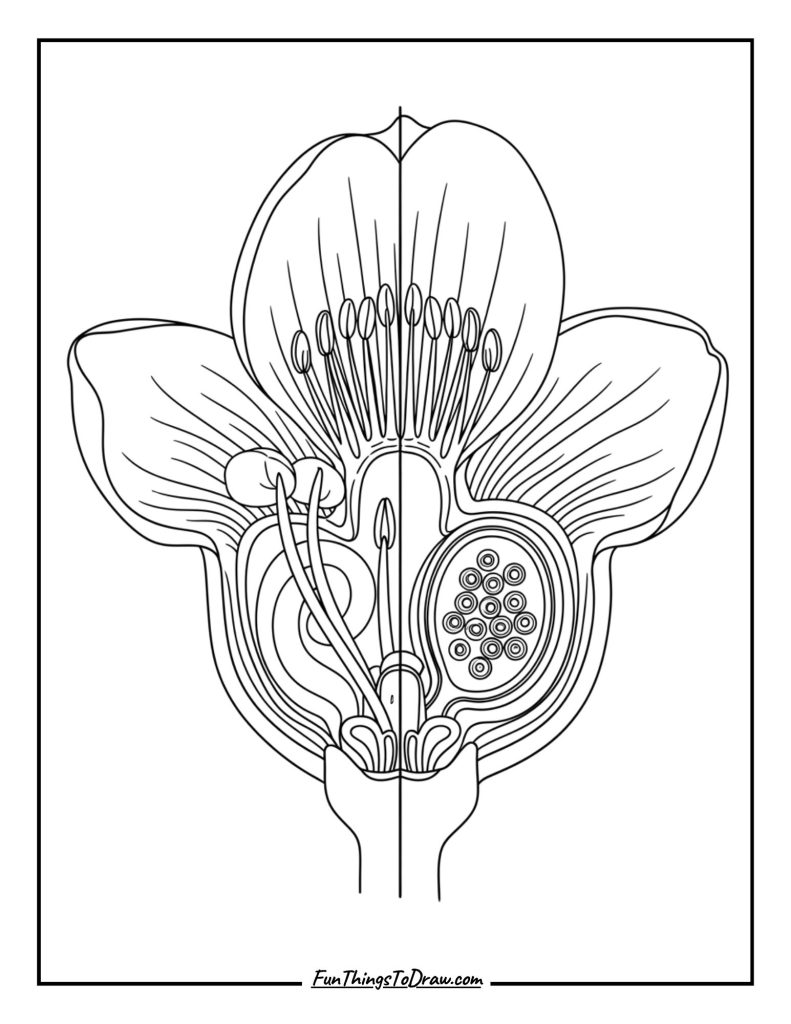
For educational pages showing flower anatomy and life cycles, use different colors for different parts, such as pink for petals, yellow for stamens, green for pistils and leaves, and browns for roots and soil.
The most important thing is to enjoy the process, experiment with shading and blending techniques, and create something that makes you happy, whether you’re coloring for relaxation, education, or artistic expression.